




 Help
Help Get the free app
#MyCurtsyStyle
Why Group Halloween Costumes Don’t Need to Match
The group chat chose a theme—recognizable color stories, character-ready minis, corsets, jerseys, faux fur, wigs & matching accessories.
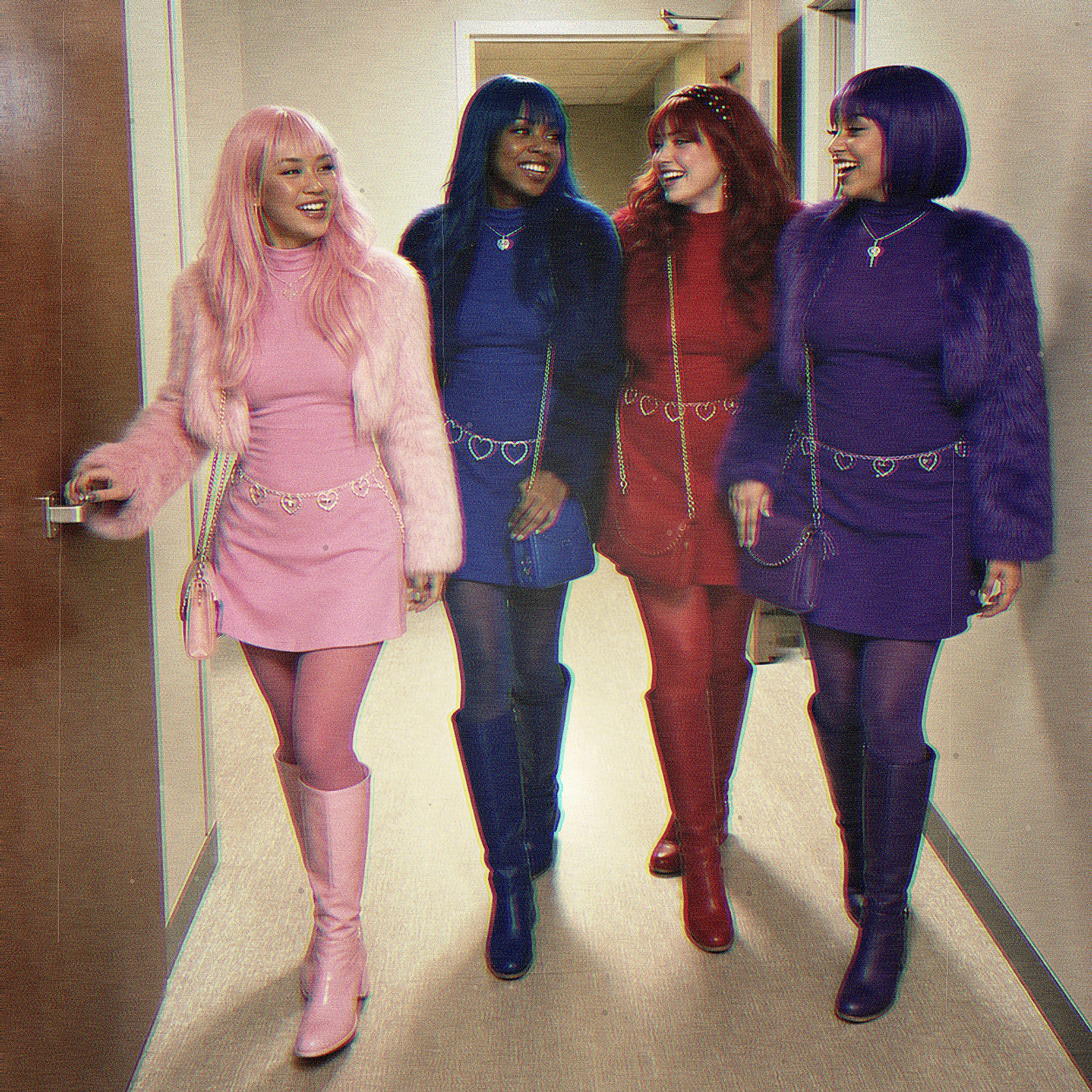
In 2025, five KPop Demon Hunters characters took the top five spots on Google’s Frightgeist list of trending costume searches. That says a lot about why group costumes work: one person starts the reference, and the rest of the cast makes it impossible to miss.
The trick isn’t putting everyone in the same outfit. Repeat a few clues—color, silhouette, uniform details—then give each person one wig, accessory, or character detail that makes their role clear.
How Costumes Became Characters
Before the 1930s, Halloween costumes were often meant to hide your identity. Children and teens played pranks in masks and simple costume aprons. Ghosts, witches, demons, and black cats were popular partly because they kept the wearer anonymous.
During the Great Depression, communities started planning parties and handing out candy to curb destructive Halloween pranks. Costumes changed, too. Characters like Popeye and Mickey Mouse appeared beside the usual ghosts and witches, and stores began selling ready-made options. Those costumes became more affordable after World War II.
Halloween was no longer only about becoming a mysterious creature. It was also a way to show which characters and stories you loved.
Cosplay Made the Details Matter
Fans were dressing in handmade futuristic costumes at Worldcon as early as 1939. The word “cosplay” appeared in the Japanese magazine My Anime in 1983. By the 1990s, anime conventions helped cosplay grow in the U.S. Fans paid close attention to wigs, makeup, props, and poses that made a character easy to identify.
That attention to detail carried into Halloween, too. A colorful wig wasn’t just an extra anymore. The right shape could sell the character before anyone noticed the dress. A jersey number, uniform patch, pair of wings, or character bag could do the same thing.
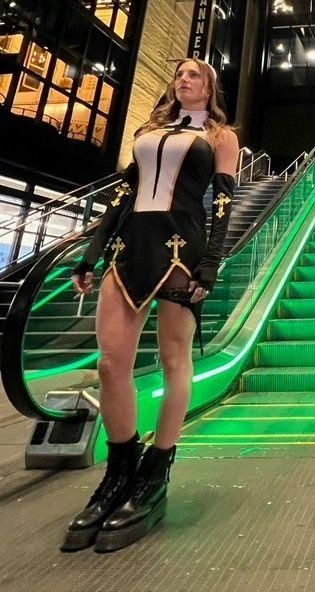
The takeaway for a group is simple: don’t stop at the main character. Bring the whole cast.
Match the World, Not Each Other
A group costume needs two things: a few details everyone repeats and one clue that makes each role clear.
HUNTR/X shows how that can work. The designs don’t lock each member into one signature color. Yellow appears across the trio in different cuts and proportions, while hair, weapons, and accessories make each character easy to pick out.
They look like they belong together without looking interchangeable.
Here’s how to use that idea for a few different group themes:
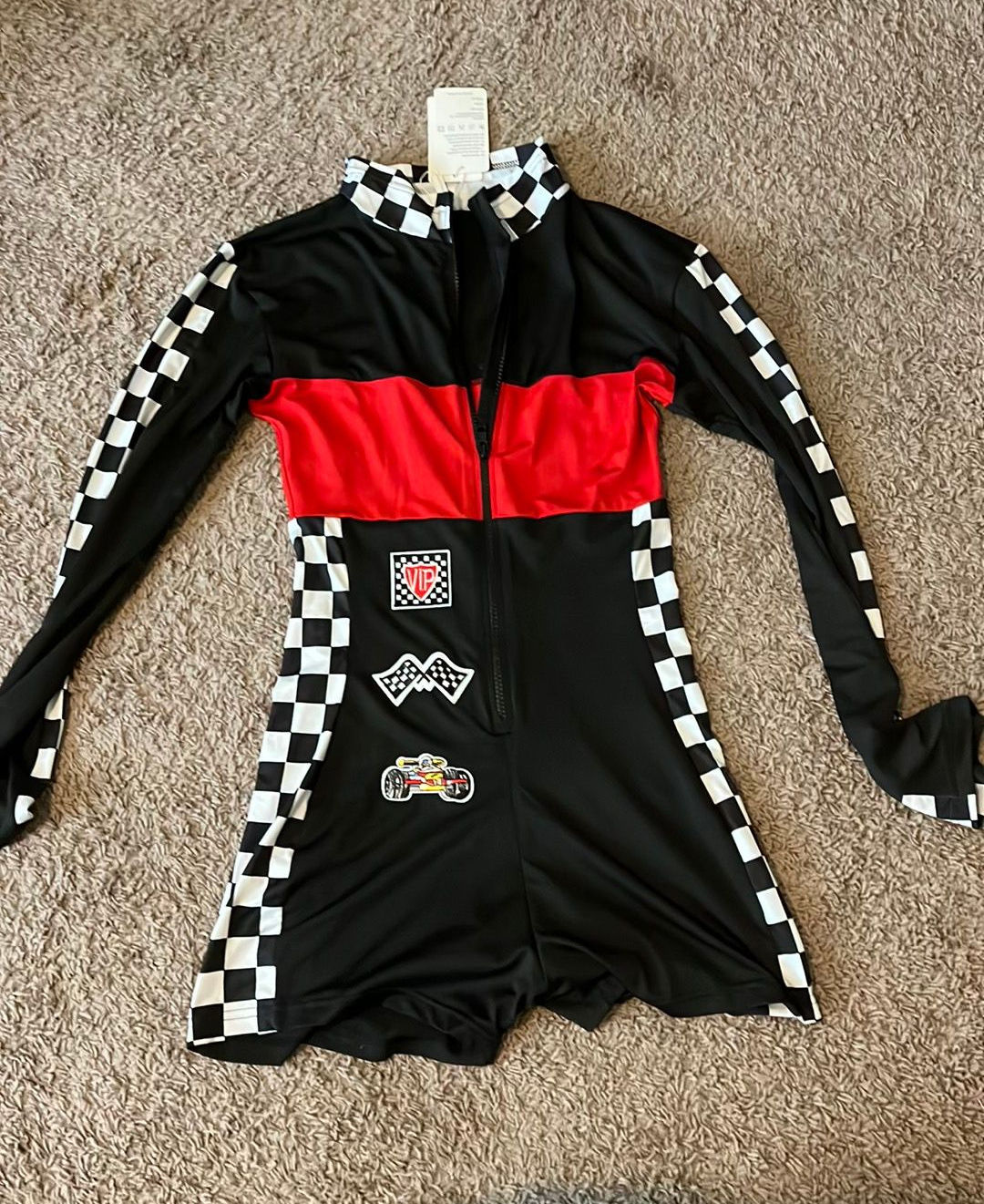
- Racing crew: Repeat patched or numbered jumpsuits to establish the team. Vary the colors, numbers, sunglasses, and hairstyles so everyone has a distinct driver identity.
- Fantasy cast: Start with corset minis, metallic fabrics, or a shared color palette. Then divide the roles with sculpted wings, crowns, horns, capes, hats, or character wigs.
- Pop or comic squad: Use sequins, rhinestone mesh, or faux fur to tie the group together. Different silhouettes, emblems, wigs, bags, or character accessories show who each person is.
That final clue matters. A plain jersey, corset, mini, or jumpsuit might still read as an everyday outfit. Add a fictional team name, crest, attached cape, recognizable wig, or distinctive pair of wings, and the costume idea clicks.
Pick One Unmistakable Detail
What turns a basic piece into a costume? Usually, it’s one detail that makes the reference obvious.
A red mini could become a vampire look with an attached black cape. A pleated skirt and jersey could become a fictional team uniform with the right name and number. A satin corset dress could suggest a fairy once you add oversized wings in a specific shape.
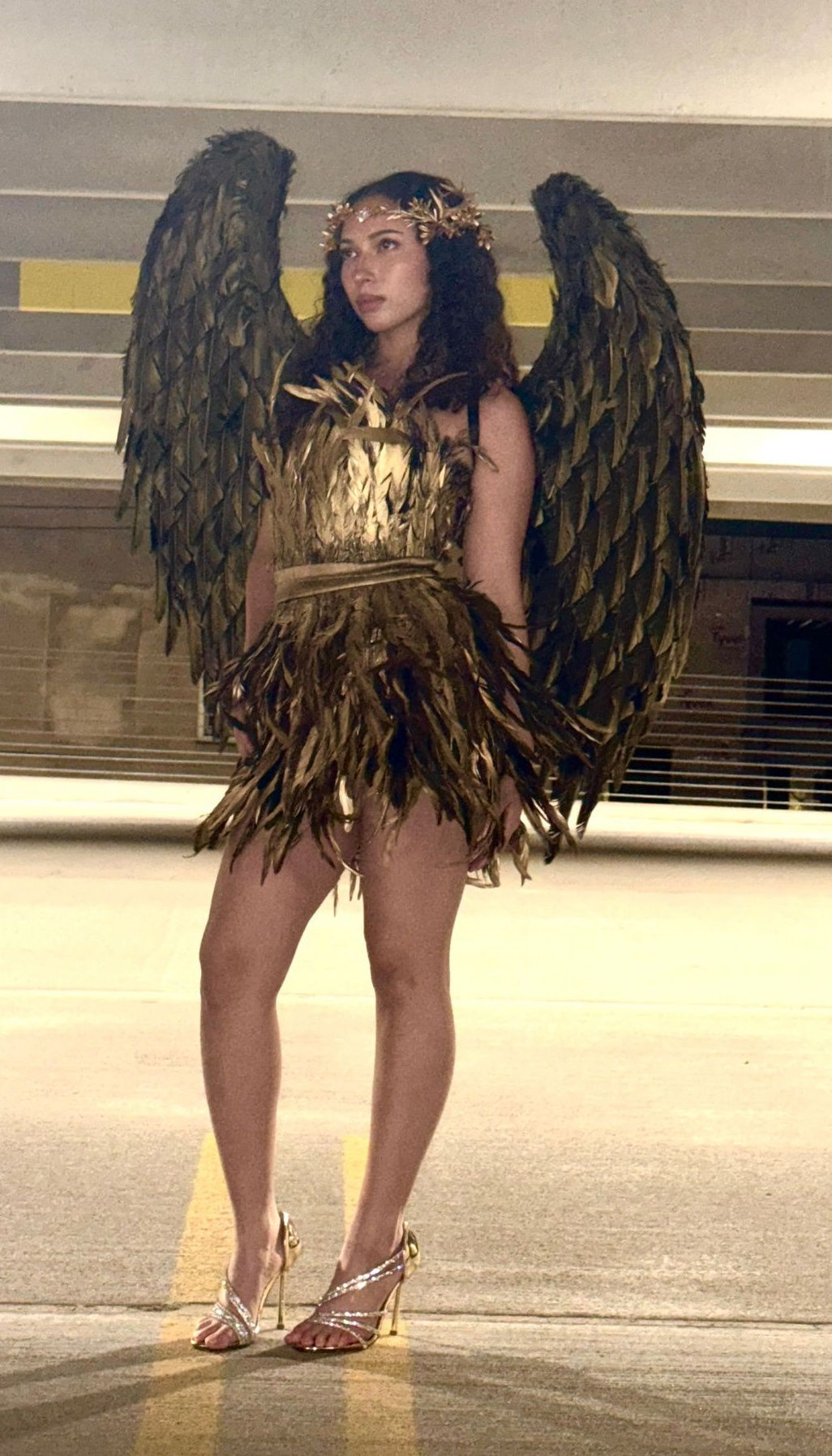
The clothes set up the look. The accessory tells people which character you are.
You also don’t need the same commitment level across the whole group. One person might want a complete licensed costume. Someone else might prefer a fashion-first version built from a mini dress and one unmistakable accessory. Cosplay can include handmade pieces, store-bought costumes, and personal interpretations.
Start secondhand with the piece that sells the role: a patched jumpsuit, character wig, sculpted wings, or corset dress with a cape. Fill in the rest with pieces you already own. After Halloween, a jersey, faux-fur jacket, metallic mini, tall boots, or structured corset can go back into rotation—or on to someone else’s closet.
The group chat’s most successful project isn’t getting everyone to dress exactly alike. It’s picking a few clues that tie the looks together. Once those are set, everyone can make the role their own.
Ready to build the cast? Explore Group Halloween Costumes on Curtsy.