










 Help
Help Get the free app
#MyCurtsyStyle
Why a Campus Formal Can Mean a Mini
Crisp fall nights on Greek row mean cocktail minis in satin, lace, and sequins, plus walkable heels and tiny bags.
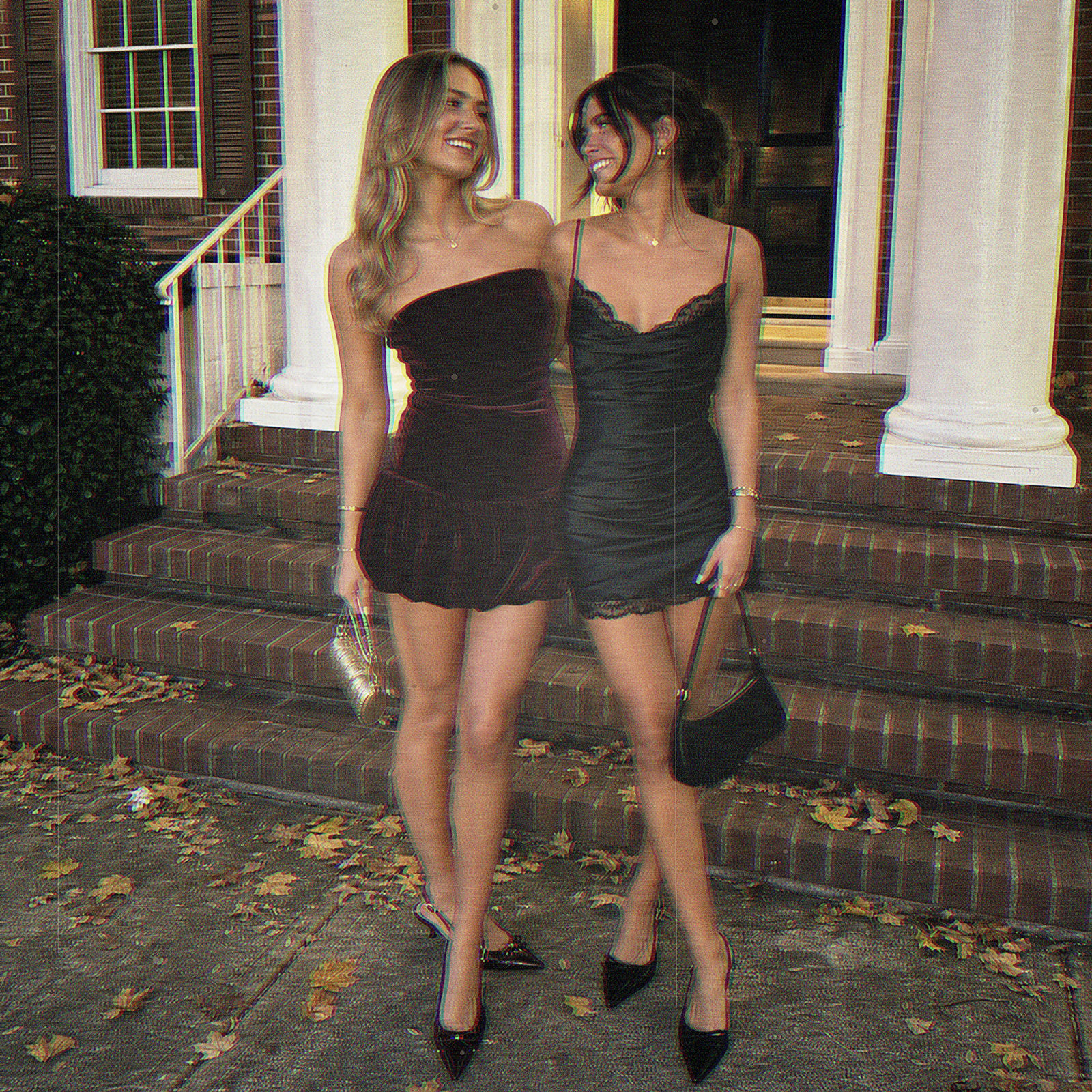
A campus formal doesn’t automatically call for a floor-length dress. Many date-party looks get their drama from satin, velvet, lace, sequins, or a strong silhouette—not a train. Here, “formal” can describe the night as much as the hemline.
Think dinner, transportation, and a plus-one, with a dress you can actually dance in. Every event is different, so check the invitation and ask the group chat. But a cocktail mini may be exactly right.
What “formal” means here
On its own, formal sounds like a strict dress code. At sorority and fraternity events, the words date party and formal can describe different types of events—or overlap—depending on the campus and chapter.
Auburn’s event guide shows how one university uses the terms. It describes a date party as an event where each chapter member invites one guest. A formal is described as a formal date party with cocktail attire, suits, formal dresses, or tuxedos. It may also include a meal, an upscale venue, and bus transportation. A “date” can simply mean a guest, and “formal” doesn’t automatically mean floor-length.
That’s one campus, not a nationwide rule. A semi-formal at one school might be dressier than a formal at another. The event details matter more than the label alone.
What makes a mini feel formal
Short isn’t the same as dressy. What makes a mini feel ready for a date party is usually the fabric, finish, and shape.
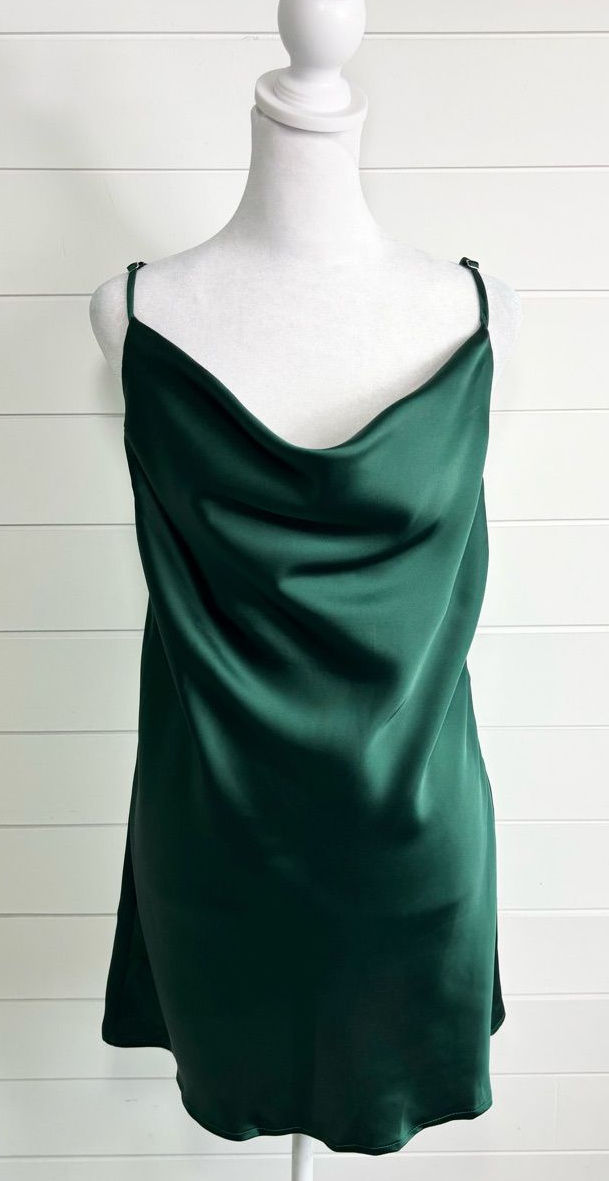
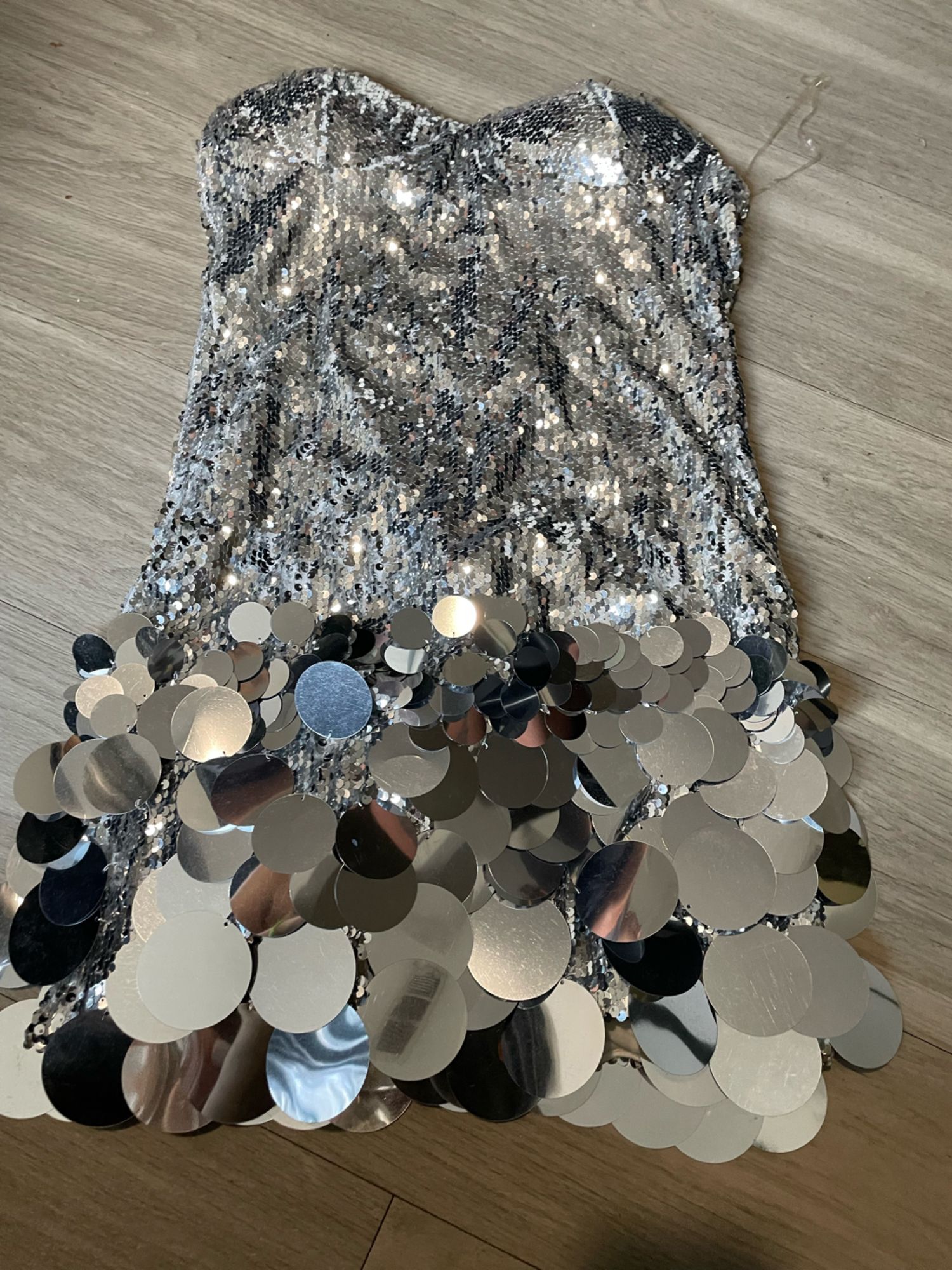
Satin catches the light and makes a simple slip silhouette feel polished. Velvet gives black, burgundy, chocolate, and jewel tones more depth. Lined lace or mesh adds texture and a hint of sheerness without making the whole dress see-through. Sequins—tiny or oversized—and metallic finishes make the party part obvious.
One or two of those details are usually enough. A burgundy velvet mini doesn’t need a jeweled corset and layers of tulle. A red sequin dress can stand on its own with simple accessories. A draped satin dress is subtler, but the shine still feels ready for a night out.
Shape matters, too. A strapless neckline, corset-inspired bodice, cowl neck, bubble hem, or drop waist can give a short dress more presence. Fall 2026 collections are mixing velvet, lace, soft draping, Art Deco-inspired sparkle, bubble hems, and drop waists. There isn’t one right silhouette: a ’90s-style slip and a sculptural bubble mini can both feel current.
A casual cotton mini might still read as daytime, even if it’s fitted or short. Swap the cotton for satin, add structured draping, or choose a deeper evening color, and the whole mood changes.
Why cocktail dresses fit the middle
Cocktail dresses filled a useful gap: dressier than daytime clothing, easier than a full evening gown.
The Met credits Christian Dior with first naming an early-evening design a “cocktail” dress in the late 1940s. Early cocktail looks often kept the clean shapes of day dresses. Silk, satin, darker colors, and dressy accessories made them feel ready for evening.
That middle ground still makes sense for a campus event. A cocktail dress feels special but lets you move and dance. You get the dressed-up feeling without a train—or a plan for fitting one onto the party bus.
The shorter formal dress isn’t a new social-media invention, either. A Northwestern student magazine was making the same point back in 2007: leave the prom dress at home for a date party. It described above-the-knee date-party dresses and noted that cocktail lengths were common at formals because they were easier to dance in. That was advice from one campus, but the basic outfit logic has lasted.
Dressy, but still danceable
Look for something that feels dressed up without getting in your way all night. If you like a close fit, try a fitted mini, corset dress, or streamlined midi. For more movement, look at A-line, babydoll, or softly draped shapes.
If you’re wearing heels, pick a height you can actually walk and dance in. Kitten heels, slingbacks, and lower block heels are easy places to start. Flats can work, too—try a pointed toe, metallic finish, or dressy embellishment.
Choose a clutch or small shoulder bag that holds your phone, ID, card, and keys. Anything smaller becomes decoration. Anything much larger may feel like one more thing to manage.
Prom, pageant, and black-tie gowns usually get their drama from length and volume. Date-party dresses tend to do it with texture and shape. Think velvet instead of a sweeping skirt, draping instead of a train, or sequins instead of layers of tulle.
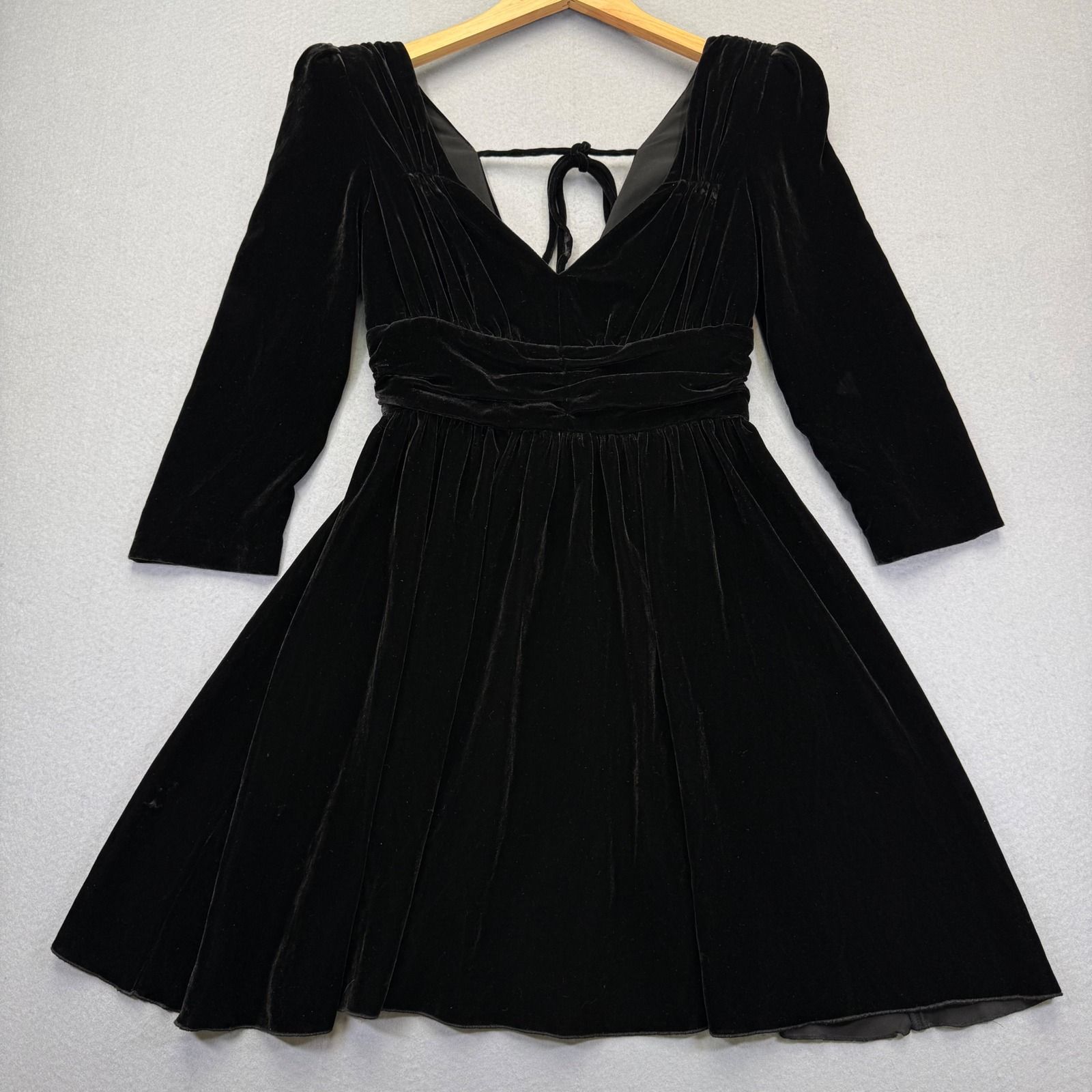
When you’re searching on Curtsy, try the details instead of only “formal dress.” Start with phrases like burgundy velvet mini, black lace corset dress, satin cowl-neck dress, or silver sequin mini.
For many campus events, “formal” is about how dressed up the night feels—not a required hemline. Pick the shape that feels like you, then let satin, lace, velvet, or sparkle handle the dress code. Explore Fall Date Party Dresses on Curtsy, and pass yours along when it’s ready for another night out.