




 Help
 Get the free app
#MyCurtsyStyle
The Past Lives of Pumpkin-Patch Style
Corn-maze detours are part of the plan in earthy plaid layers, corduroy overalls, and sturdy boots.
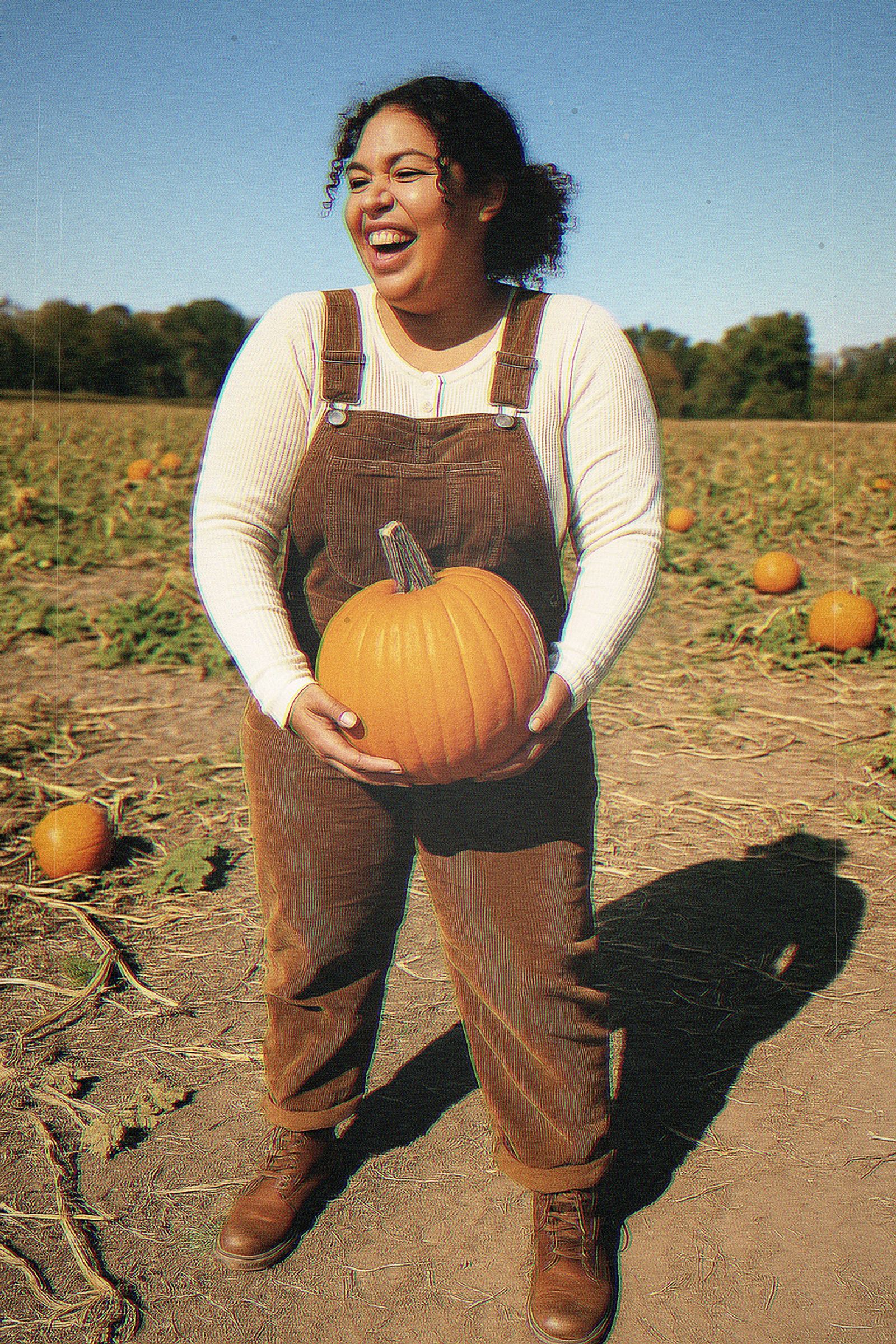
Your pumpkin-patch outfit has a few unexpected connections: henleys worn by rowers, overalls made for railroad workers, and Irish Aran sweaters popularized in part by folk singers. They weren’t designed as a matching fall look. You can mix the pieces you love—and keep wearing them after pumpkin season.
Flannel isn’t just plaid
A cream flannel shirt in the Museum Wales collection has fine gray, beige, and mauve stripes. Its wool fabric was woven at Cambrian Mills in the early 1900s. The mill supplied cloth and clothing to industrial South Wales, where flannel workwear was in demand.
Bold checks aren’t your only option. A striped flannel can feel just as at home on a hayride.
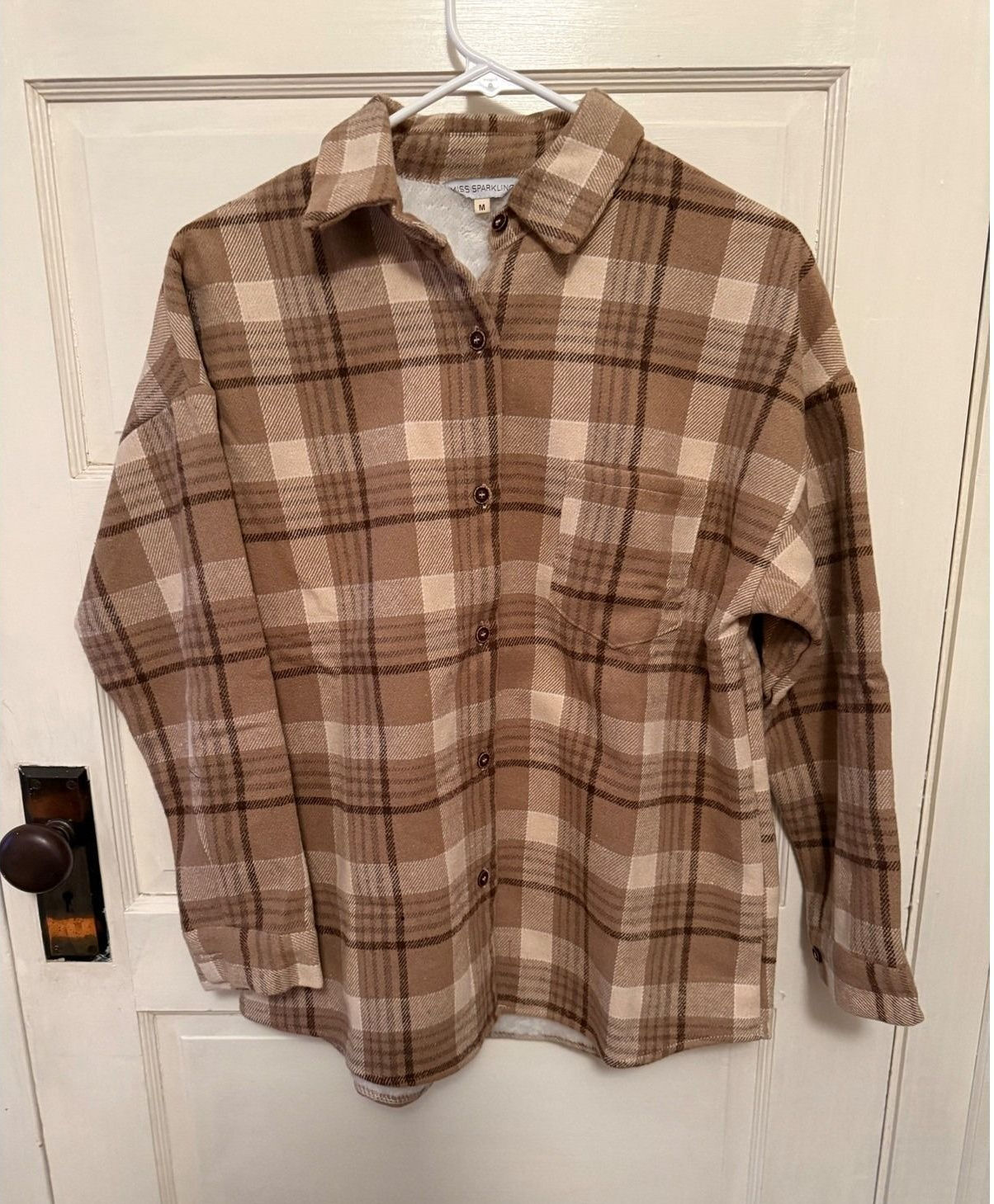
For the patch, a soft, brushed brown-and-cream shirt feels more relaxed than a crisp checked office blouse. The checks catch your eye; the relaxed fabric makes you want to roll up the sleeves.
Henleys came by way of rowing
The henley takes its name from Henley-on-Thames in England, where rowers wore the style. A henley doesn’t have to be waffle-knit—the name refers to the buttoned shirt style, not a particular texture.
That makes “waffle henley” a handy secondhand search: you’re looking for both the neckline and the fabric.
Under plaid or overalls, the little waffle pattern adds detail without another print. Not into big flannels? A fitted cream or olive thermal can be the whole top, not just the layer underneath.
Overalls worked beyond the farm
You might picture overalls on a farm, but railroad workers wore them, too. Carhartt started making bib overalls for railroad crews in 1889.
The bib, straps, and pockets give overalls plenty of detail before you add a single accessory. You don’t have to do much else.
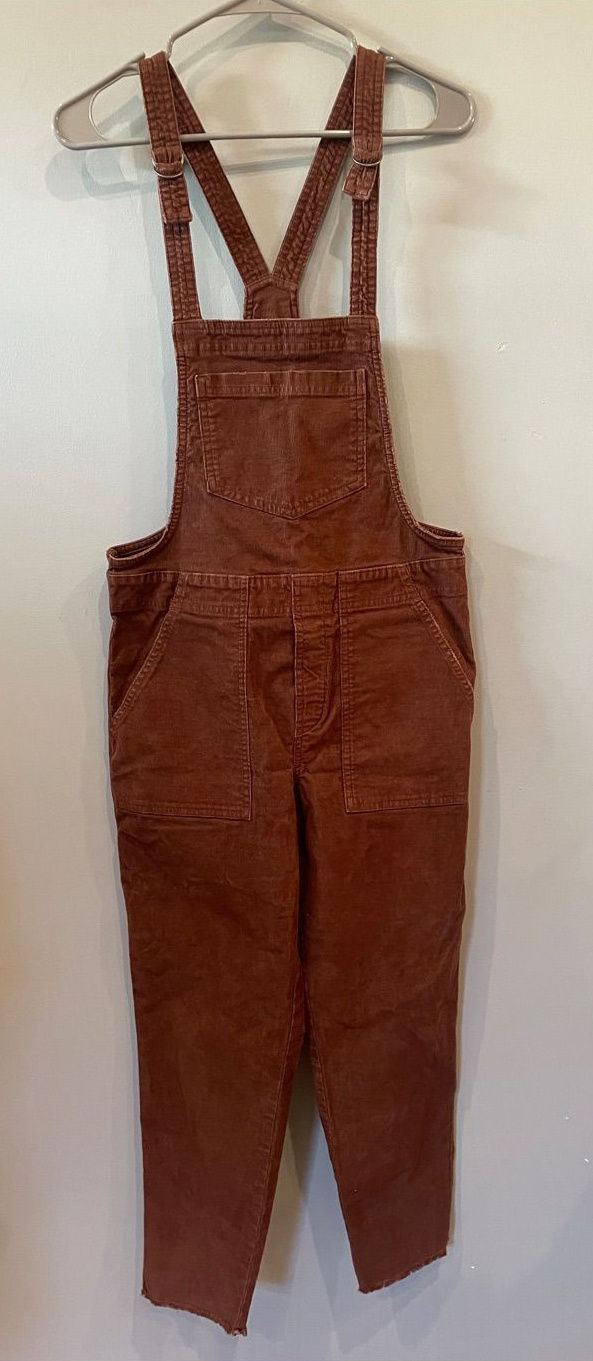
Try brown corduroy for soft texture, or worn-in denim for a classic workwear feel. A plain tee or fitted henley is plenty underneath. The overalls can be the piece you’re excited about; everything else can come straight from your usual rotation.
Cable knits have a show-business chapter
The Clancy Brothers helped Aran sweaters catch on outside Ireland in the 1960s, wearing them on stage and TV. A big push to market the knitwear abroad helped, too. These sweaters had an audience well beyond the people who originally wore them outdoors.
Cream isn’t the whole story, either. There’s an elaborate red Aran cardigan, knitted in 1937, in the National Museum of Ireland’s collection.
You don’t need an Aran sweater to enjoy a chunky cable knit. Raised cables give even a simple jeans-and-sweater outfit plenty of texture. Try burgundy if you want a change from cream.
Field coats moved into everyday life
L.L.Bean’s Field Coat started as a hunting coat. The Maine Duck Hunting Coat arrived in 1924 with a corduroy-lined collar and cuffs. It also had a deep, rubber-lined pocket across the back for carrying game.
After an updated version called the Sportsman Coat, the design became the Field Coat in 1947. It later turned up on New England college and prep-school campuses.
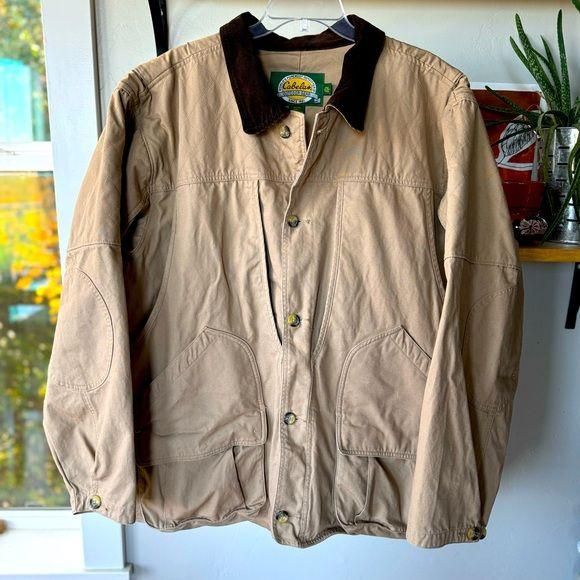
For a jacket with that outdoorsy feel, look for sturdy canvas, patch pockets, or a contrasting corduroy collar. You don’t need the original hunting features—or the original label—to enjoy the look.
Keep the parts you love
Maybe you love a henley’s buttons, the pockets on overalls, or a chunky cable knit. One piece can be enough. There’s no need to wear every countryside reference at once.
Try a roomy flannel or jacket over a fitted tee or henley. For the actual patch, keep hems clear of the ground and choose sneakers or flat boots with tread. A crossbody keeps your hands free. The outfit should still work when the photo is over.
When browsing secondhand, try brushed plaid, waffle henley, corduroy overalls, cable knit, or field coat. Search for the details you like, not just a particular label.
Start with what you already own. If you’re looking for another piece, explore Curtsy’s Pumpkin Patch collection.
These clothes had lives before pumpkin picking. There’s plenty for them to do afterward, too.