





 Help
Help Get the free app
#MyCurtsyStyle
The Hidden Details Behind Your Formal Look
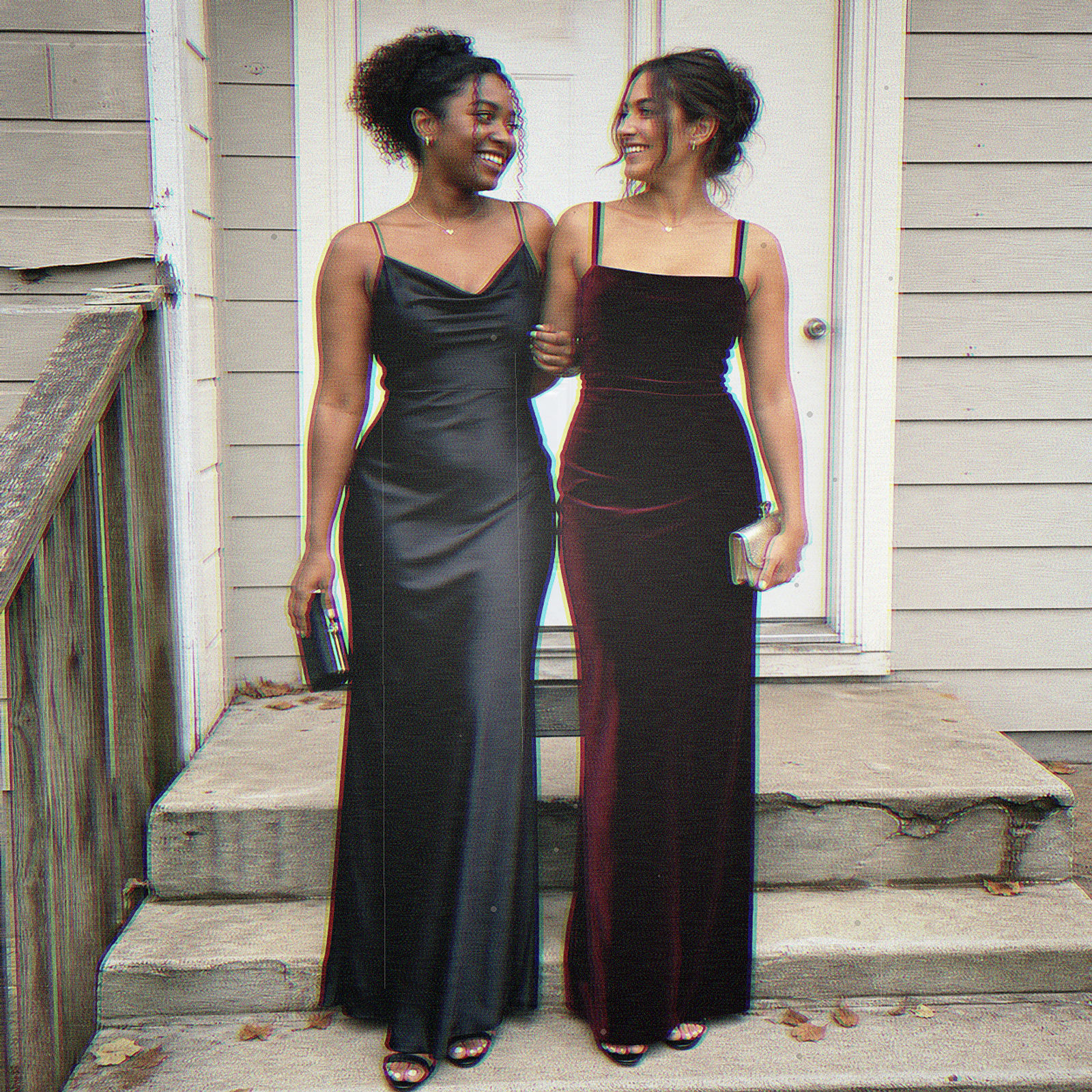
Late-fall nights go long in black satin, jewel-toned velvet, corseted maxis, draped gowns, dance-friendly heels, and tiny evening bags.
A 1950s Dior gown hides a boned corset under its softly twisted satin. Those folds look relaxed, but there’s structure holding them in place.
If your fall formal calls for floor-length, sparkle is one way to dress up—not the only one. A black satin slip, burgundy velvet gown, or emerald corset-bodice dress can stand out for its shape and movement, too.
The drape does the work
“Bias-cut” means the fabric is cut diagonally, at 45 degrees to the direction of its threads. That helps it follow your shape with fewer seams. Designer Madeleine Vionnet was known for using this cut.
And it’s not just a satin-slip thing. Vionnet’s green silk-velvet gown from 1926–27 uses the same cut to let the velvet fall softly.
That flowing skirt is made from just three large rectangles of fabric. The dress is now in the Cincinnati Art Museum’s collection.
Look at how a skirt falls as well as its beading or trim. Maybe you want the fluid line of a black satin slip. Maybe a straighter burgundy velvet column feels more like you.
Both can feel right for formal. Pick the shape you like.
Softness can have a backbone
The scarlet Christian Dior New York gown dates to around 1953–55. Beneath the twisted satin is a black cotton-net corset with boning—the stiff strips that help hold its shape. The soft draping and firm interior belong to the same dress.
A black-and-white ball gown in Monique Lhuillier’s fall 2026 lookbook has a dropped waist and a scarf. It mixes velvet with duchesse satin, a heavier type of satin. Another black-and-navy gown pairs a lowered waist with a softly draped, open back.
You can try one detail and skip the rest. Maybe it’s a draped neckline. Or try an A-line gown with a sweeping skirt and little or no beading.
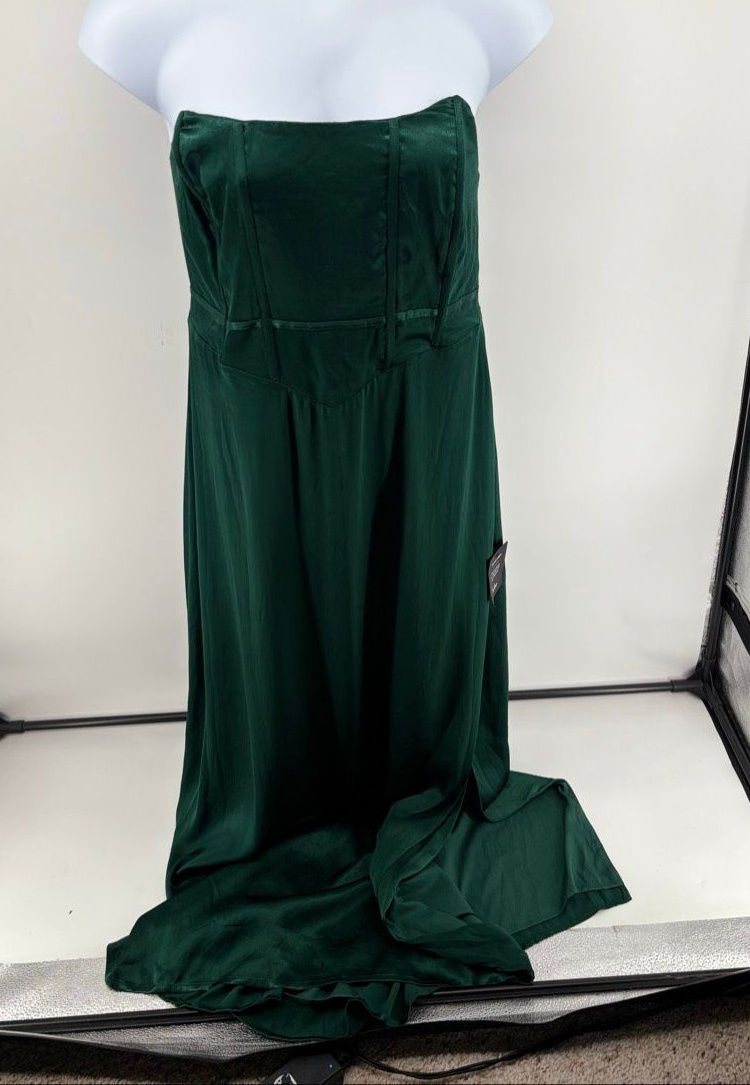
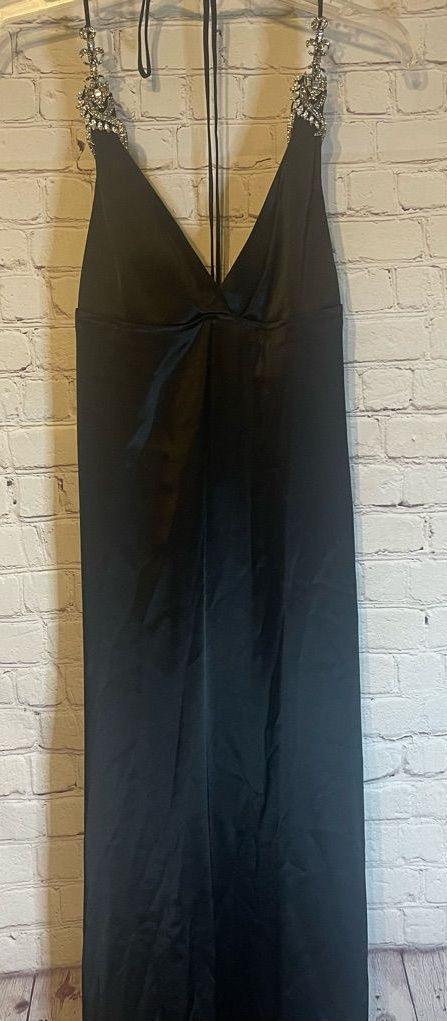
Shopping secondhand? Ask for a photo of the inside of the bodice, including any lining, cups, or boning. You’ll get a closer look at how it’s made rather than relying on “corset dress” in the listing title.
Formal shoes don’t need extra inches
You don’t need a high heel for a shoe to feel dressy. Flat satin slippers were the most popular women’s evening and formal shoes in the first half of the 1800s, according to The Met. The museum’s pair from 1830–45 looks plain on top, with carefully finished soles underneath.
Try metallic sandals with thin straps or satin pumps at a height you already like wearing. The slim straps or satin finish can make them feel dressy without extra height.
“Dance-friendly” is something to test, though, not something a shoe’s photo can promise. Walk, stand, and try a few dance moves before committing. A lower heel isn’t an automatic comfort guarantee.
The tiny bag has a job
An evening bag with a spot for your lipstick isn’t a new idea. Van Cleef & Arpels registered a patent for its evening box with separate compartments in 1933. The company registered the name Minaudière in 1934.
It had compartments for lipstick, powder, even a dance card and pen. The hard case was designed to keep its shape when full.
A tiny bag isn’t always an evening bag. A metallic box bag or satin clutch with a firm frame can feel dressy even without beads or crystals. Check that your phone and anything else you want to bring will fit.
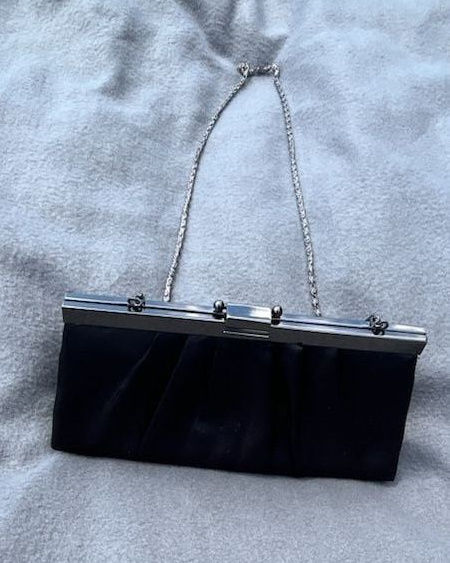
You don’t have to stick to dress listings labeled “formal,” either. A bridesmaid gown might have your ideal velvet silhouette. A prom dress might be the structured A-line you’ve been picturing.
Check the measurements, especially the length, and ask whether the hem or bodice has been altered. Shop for the dress you want, not just the occasion in its listing.
A great gown can work for more than one occasion. Sometimes it just needs another night out.
Find your formal look on Curtsy.