



 Help
Help Get the free app
#MyCurtsyStyle
The Fall Work Uniform Has More Jobs
Train platforms, office AC, and daycare drop-off meet their match in trenches, knits, straight trousers, polished flats, and roomy totes.
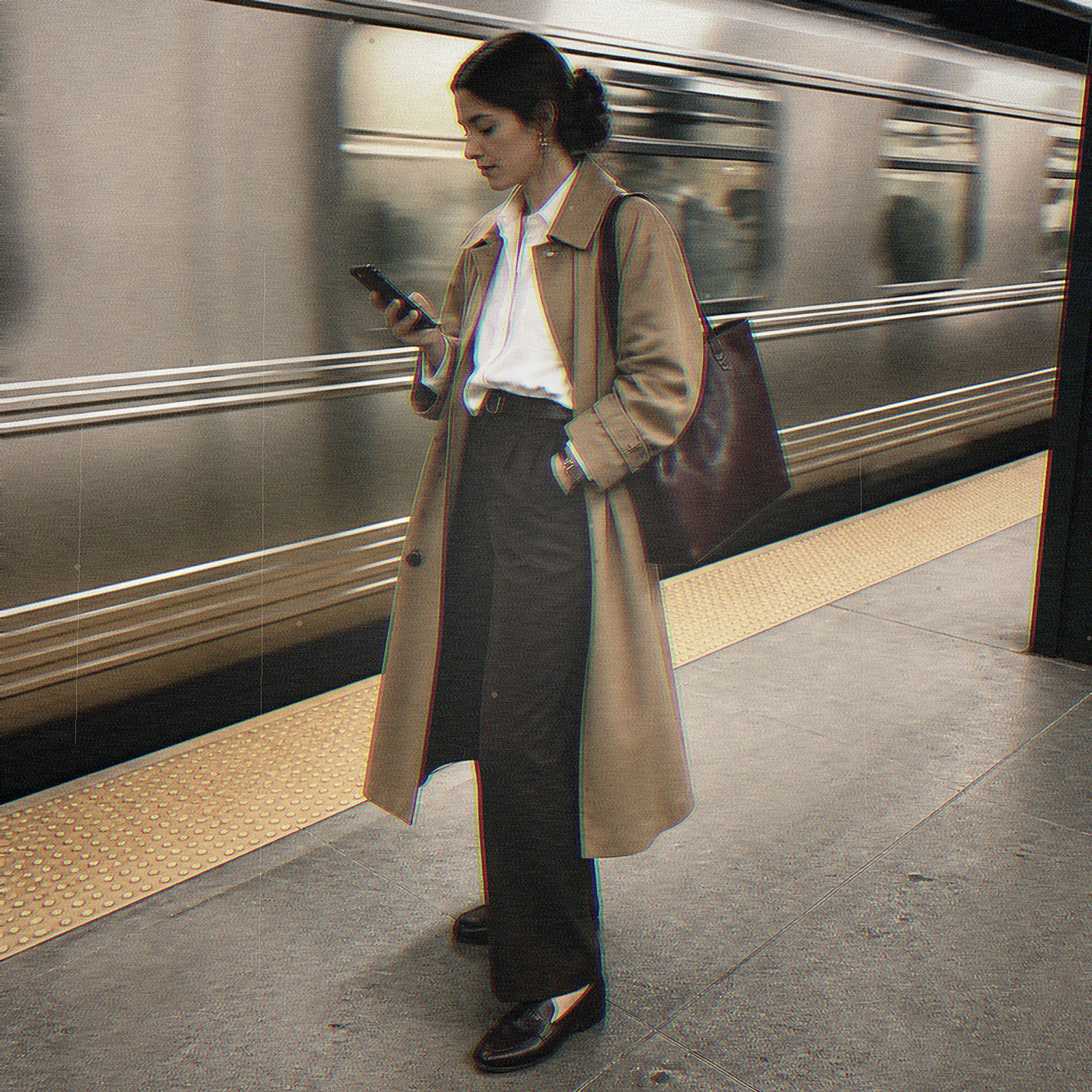
Build it for train-platform wind, office AC, errands, and everything in between.
A fall work outfit has to start working before you reach your desk. It may need to handle a windy train platform, freezing office AC, daycare drop-off, or an after-work errand—without a full change in between. The easiest uniform starts with a transitional jacket, a soft knit, trousers you can move in, walkable shoes, and a tote that carries the actual essentials.
Many workweeks now include both home and workplace days. In 2025, 35% of employed people did at least some work at home on days they worked, while 70% worked at a workplace. Some people appeared in both groups. Among workers traveling to a workplace in 2024, the average one-way trip was 27.2 minutes, and 9.3% traveled for at least an hour. The best work clothes have to work beyond the desk.
Start With the Outer Layer
Your jacket sets the terms for the rest of the outfit. A trench, car coat, polished barn jacket, or funnel-neck style should leave enough room for a shirt and light knit without pulling across the shoulders.
When the wind picks up, you’ll want a jacket that closes easily—and pockets that hold more than one lip balm. A funnel or stand collar adds a little warmth without giving you one more scarf to keep track of.
For a current feel, try a relaxed shape or a rich fall texture. A short olive trench, chocolate suede jacket, or long camel car coat feels polished without becoming too precious for unpredictable weather.
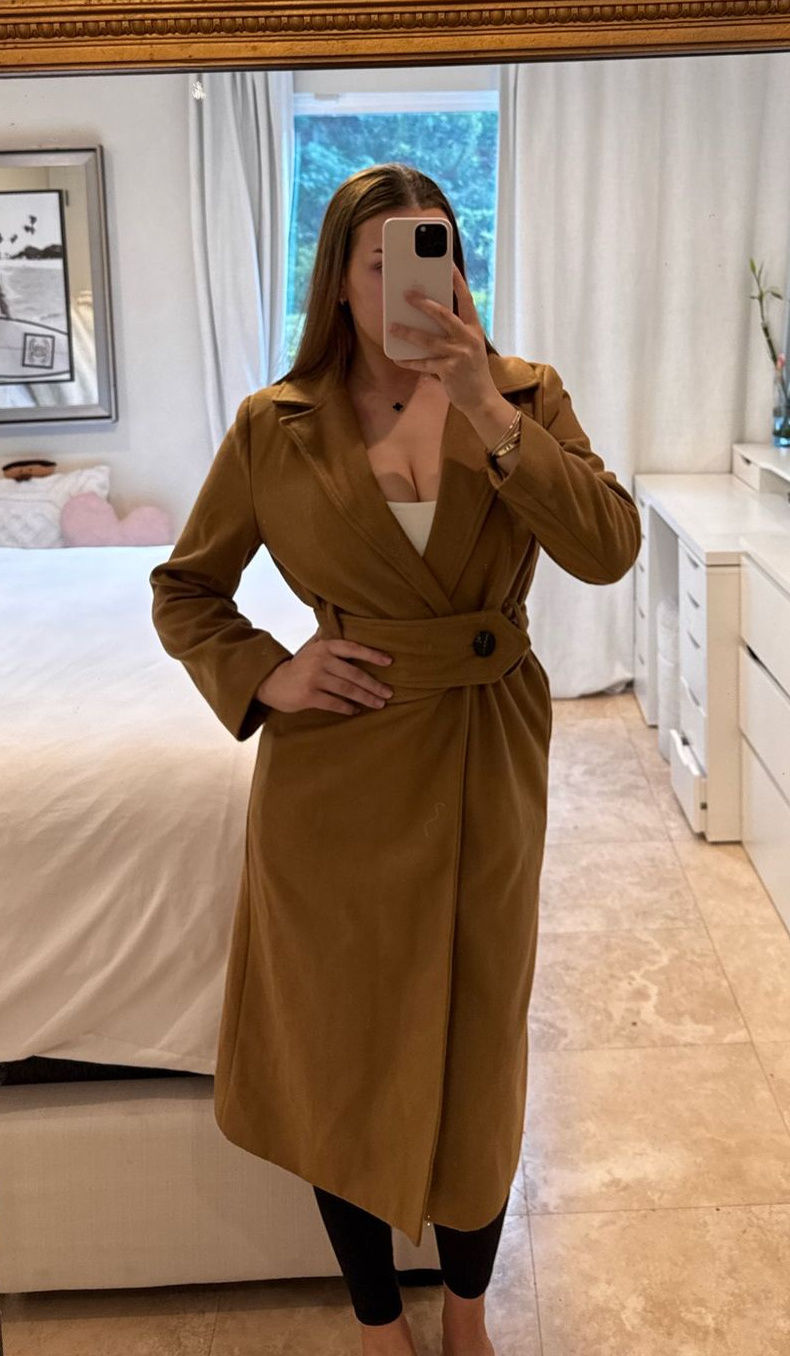
Shopping secondhand? Check the lining, cuffs, buttons, and pocket edges for wear. If the coat originally had a removable belt, confirm that it’s still included. A missing belt doesn’t have to be a dealbreaker, but it may change the shape and how you style it.
The Cardigan Has a Real Job
The office cardigan isn’t just a styling choice. It’s thermostat equipment.
If you keep a sweater at your desk, you’re not imagining the chill. A U.S. office study with nearly 39,000 responses found that 38% of people were unhappy with the temperature. Women made up almost two-thirds of that group. Among people unhappy with summer temperatures, women were more than three times as likely as men to say they felt too cold.
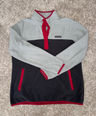
So a layer you can take off and tuck into your tote earns its spot. A fine-gauge cardigan can be buttoned as a top, worn open over a crisp shirt, or layered under a coat without adding too much bulk. Crewnecks, turtlenecks, and refined quarter-zips offer the same flexibility.
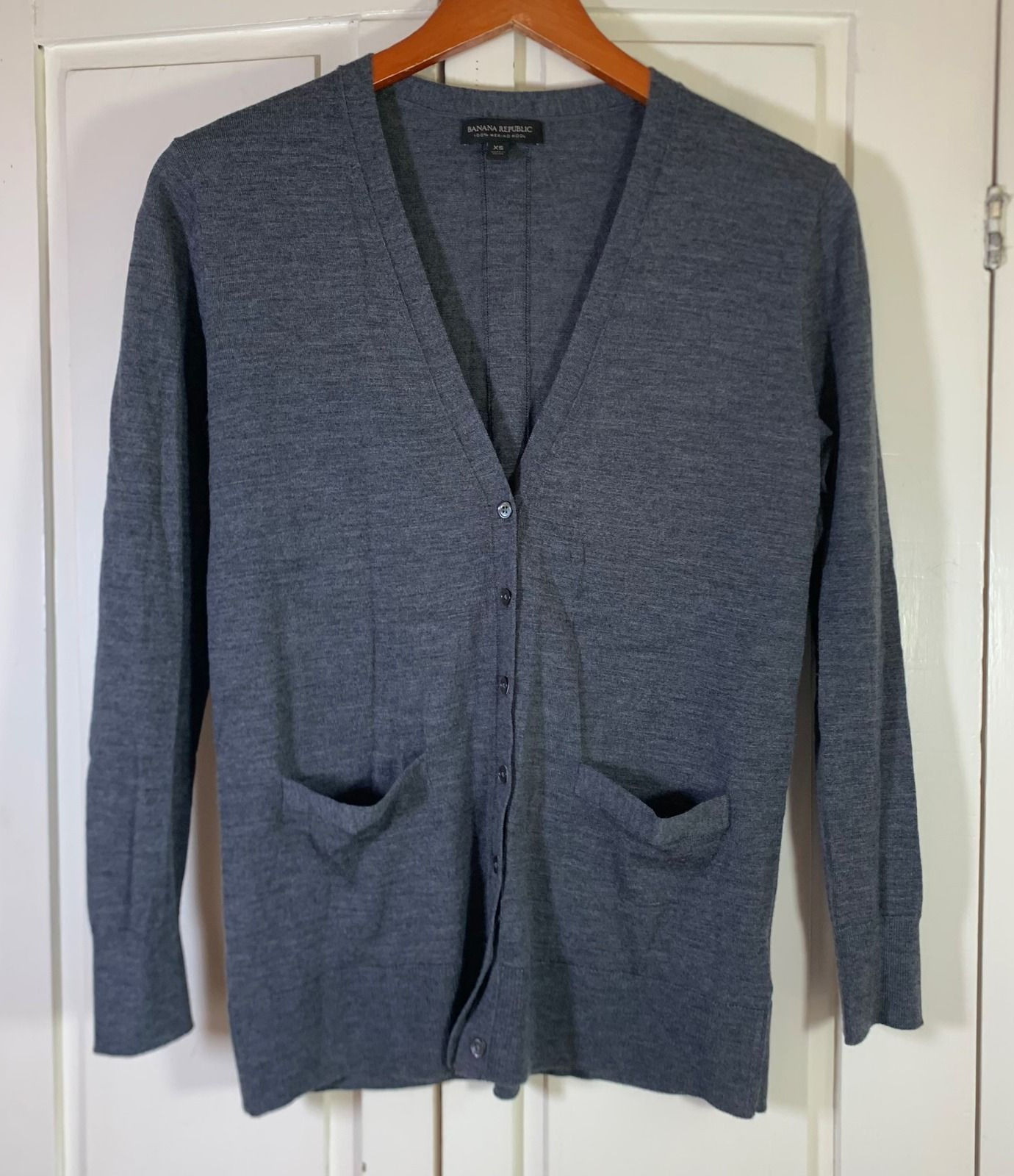
For secondhand knits, zoom in on the cuffs, underarms, and front for pilling. A slightly relaxed fit will usually layer more easily than a tightly fitted cardigan.
Choose Tailoring You Can Move In
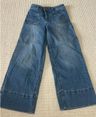
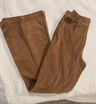
Modern work trousers shouldn’t require you to behave like a mannequin. Straight legs, soft pleats, subtle barrel shapes, and relaxed wide-leg cuts can all look polished without feeling restrictive. You should still be able to sit, walk, and take the stairs comfortably.
Skirts and dresses should move with you, too. Look for enough room to take a full stride and fabric that bounces back after you sit. If you have to keep adjusting it, it probably won’t make your commute easier. For a more casual office, dark denim with a clean, trouser-like shape offers the comfort of jeans with a polished finish.
If drop-off or caregiving is part of your morning, try a quick sit-and-crouch test before committing. The waistband shouldn’t dig, the knees shouldn’t stay stretched out, and the hem shouldn’t get in your way.
One easy formula starts with a striped shirt and fine-gauge cardigan, then adds straight trousers, loafers, and a relaxed trench. Prefer a one-piece base? Try a structured knit midi dress with a funnel-neck jacket and knee boots. A cobalt knit, subtle plaid, vintage brooch, or sculptural earring can keep the practical pieces from feeling too quiet.
When buying trousers secondhand, compare the rise and inseam with a pair you already like. Check the hem closely, too. Previous alterations can affect both the length and how much fabric is available if you want to let it back down.
Let Your Tote and Shoes Work
A roomy tote and walkable shoes make the rest of the outfit easier to live in.
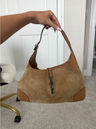
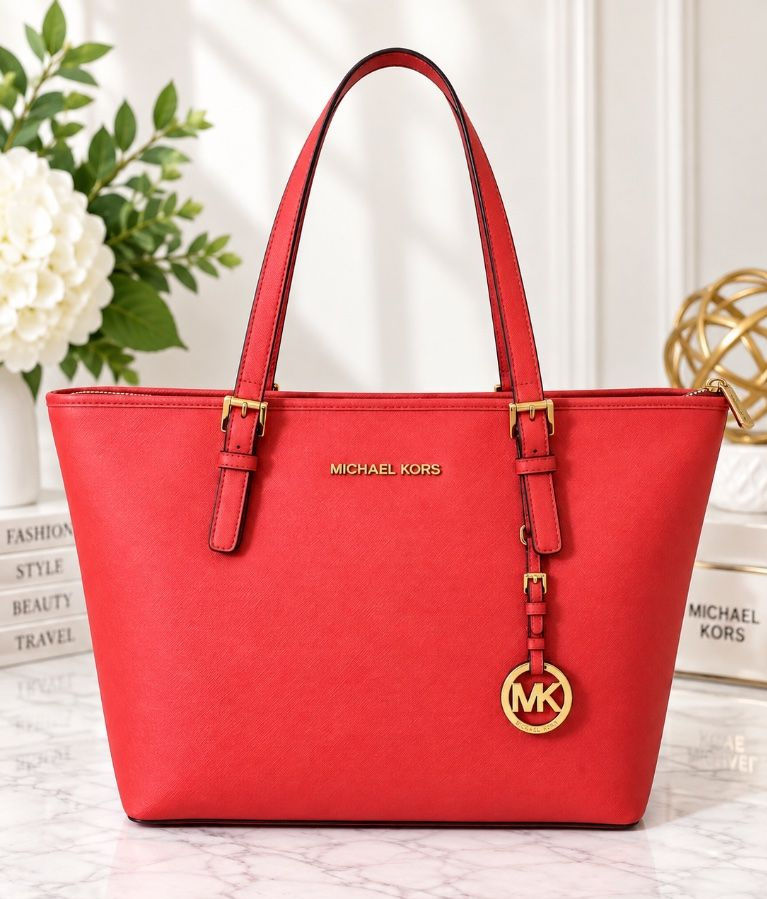
Your bag should fit the things you actually carry: maybe a laptop and charger, notebooks, snacks, an extra layer, or all four. Check the measurements, closure, strap drop, empty weight, and interior pockets before buying. “Large” can mean almost anything in a listing.
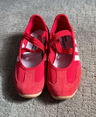
You don’t have to choose between polished and walkable. Loafers, Mary Janes, ballet flats, low pumps, and streamlined knee boots can all handle a workday when the fit is right. On secondhand pairs, inspect the soles, toe boxes, heel edges, and interior lining. A stable heel and flexible sole matter more than how sensible the shoe looks in photos.
You don’t need a separate outfit for every stop. Start with pieces that can keep up when your plans change. Browse Curtsy’s Fall Commute Uniform for transitional jackets, soft knits, relaxed trousers, roomy totes, and shoes you can actually walk in. Looking annoyingly composed is optional. Feeling comfortable isn’t.