



 Help
Help Get the free app
#MyCurtsyStyle
The ’70s Were Already Wearing Vintage
From coffee dates to late nights, decades collide in leopard, embroidered jackets, fringed suede, jewel-toned velvet, and oversized statement jewelry.
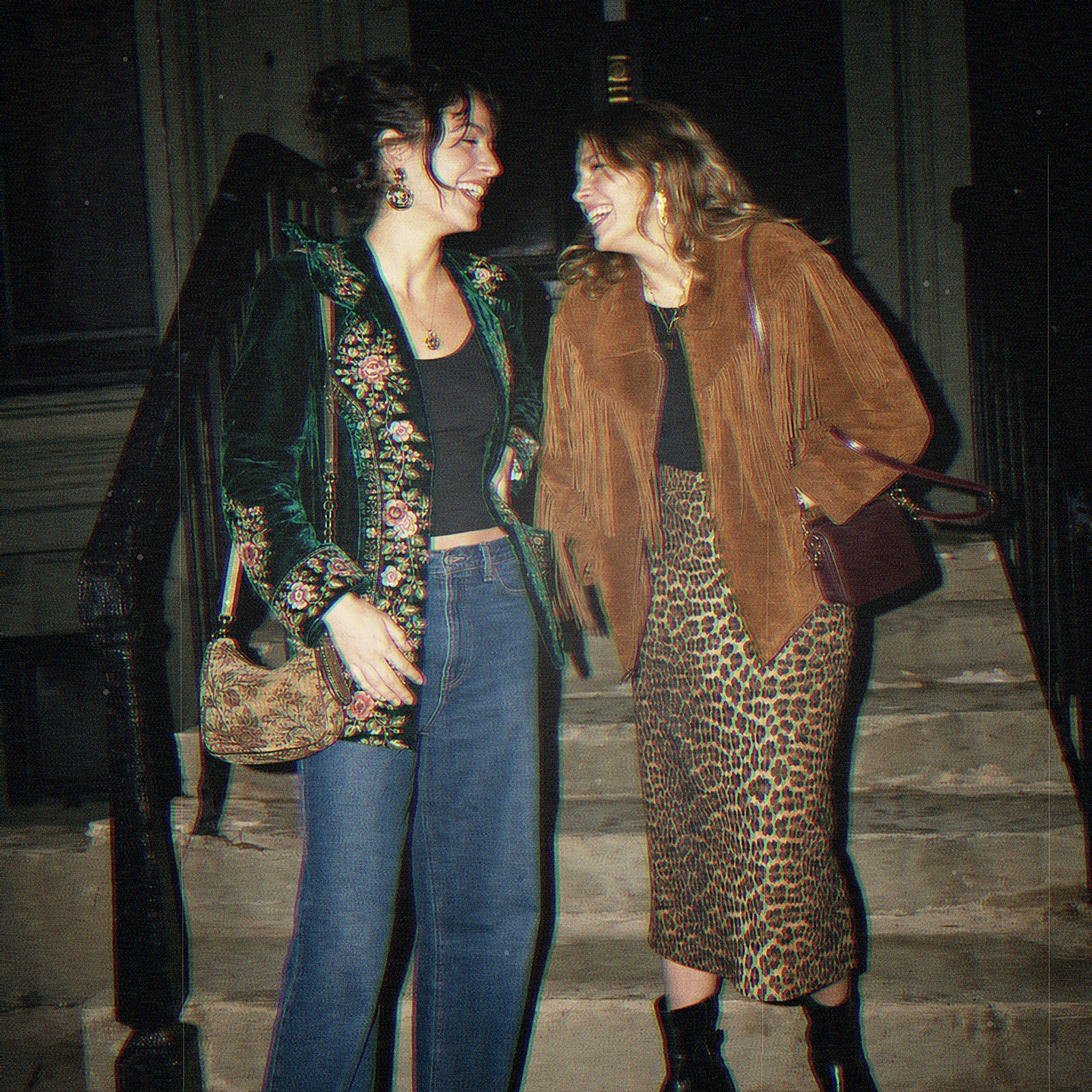
Some of the looks we call ’70s were already retro. By the late ’60s, trendsetters were drawing on secondhand styles from the late 1800s and the 1930s. An embroidered jacket and a leopard bag don’t need to come from the same decade, either.
London’s secondhand mix
Young Londoners found colorful clothes at Kensington Market. Much of the clothing came from India. California’s hippie mix-and-match style had also crossed the Atlantic, bringing an appetite for long, loose layers and clothes drawn from different cultures.
Young people were putting outfits together from used clothes, too. Older clothes helped make the look feel new.
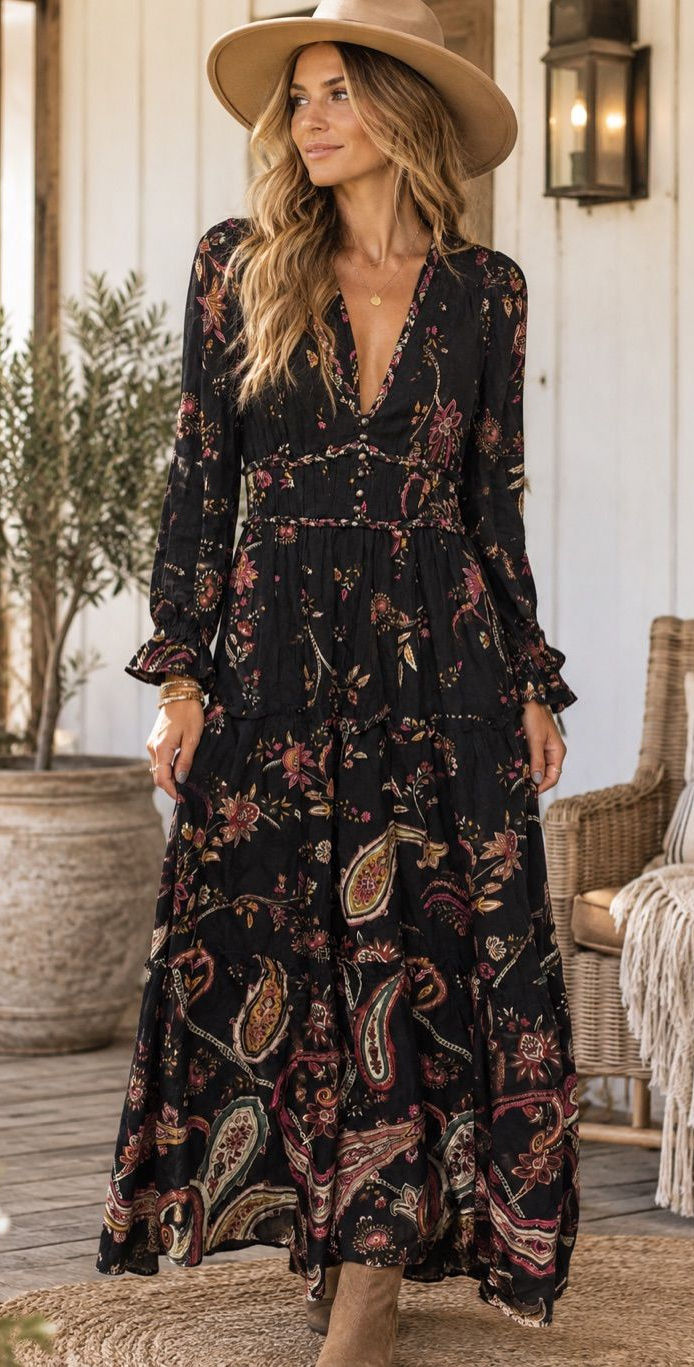
Barbara Hulanicki’s London label, Biba, made new clothes inspired by older styles. It borrowed from Pre-Raphaelite art and Art Nouveau design, with colors like olive, rust, and purple. The label kept prices within reach of young working women.
Biba’s shops had ornate Victorian furniture, dim lighting, and loud pop music that spilled onto the street. You could shop for something new surrounded by antiques, with a very current soundtrack.
The clothes didn’t have to be old to share that love of the past. Biba’s nostalgic designs sat alongside a youth-fashion world where shoppers were already finding their own ways to wear secondhand.
The fabrics made the look
Thea Porter drew on Middle Eastern and North African textiles. Her signature designs included a dress with a brocade panel. She opened her Soho shop in 1966, bringing those rich fabrics into London’s boutique scene.
One Porter dress from around 1970 mixes yellow Indian cotton with red stripes and orange cotton with mirrorwork at the front. Blue velvet ribbon adds another texture. It’s in the Kyoto Costume Institute’s collection.
The striped cotton, mirrorwork, and velvet are all part of the dress—not accessories added afterward. There’s plenty to notice before you even get to jewelry.
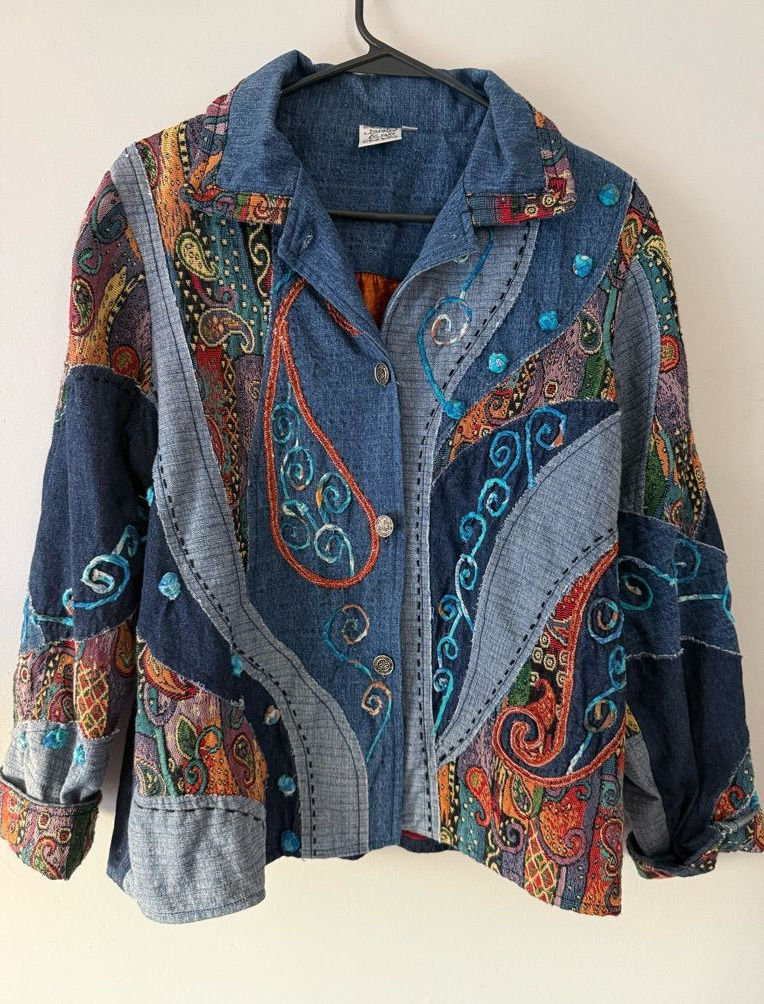
The embroidery on a jacket or the pattern on a tapestry bag can be the whole reason you love it. Either can make a simple outfit feel more like you.
Yves Saint Laurent went for more drama in his fall/winter 1976 “Opéras–Ballets russes” collection. He looked to ballet costumes, painting, and visions of czar-era Russia. With velvet, silk, chiffon, and gold lamé, the clothes have the richness of a stage production.
You can love jewel-toned velvet without needing an opera-sized occasion.
Make the mix your own
For your closet, start with a detail you love. Maybe it’s the flowers embroidered across a jacket, the swinging fringe on a suede sleeve, or the little pendants on a charm-heavy necklace.
Try a leopard cardigan with jeans. Pin an ornate brooch onto a sweater, or wear that fringed suede jacket over a familiar tee. You might want several statement pieces at once, or just one that changes how your usual clothes feel.
If the pieces don’t quite work together, try repeating a color. Green embroidery on a jacket could pick up the green in a patterned bag. A burgundy velvet jacket could pick up the same color in a paisley blouse.
Not every piece needs to be loud. Plain jeans can give an elaborate jacket room to stand out. A beaded bag can dress up clothes you already wear.
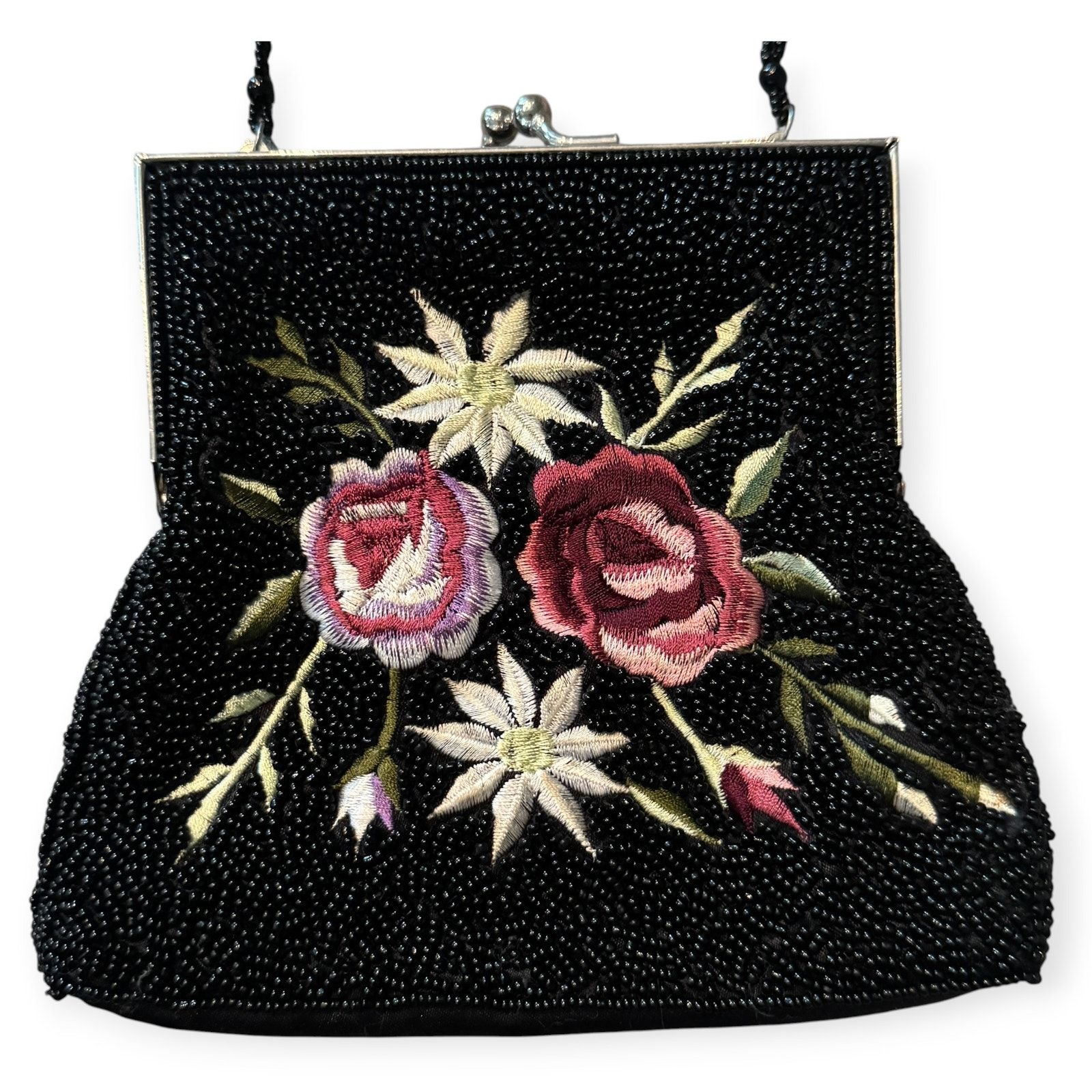
You can mix vintage finds with newer vintage-inspired pieces, too. One might be an older garment you found secondhand; another might be a recent design with a richly patterned fabric or decorative trim. They don’t need the same backstory to work together.
Find a piece you’ll want to keep wearing on Curtsy.