




 Help
 Get the free app
#MyCurtsyStyle
Thanksgiving Outfits, Inspired by Fashion History
Family photos and second helpings pair nicely with velvet minis, soft sweater midis, and silky blouses over relaxed trousers.
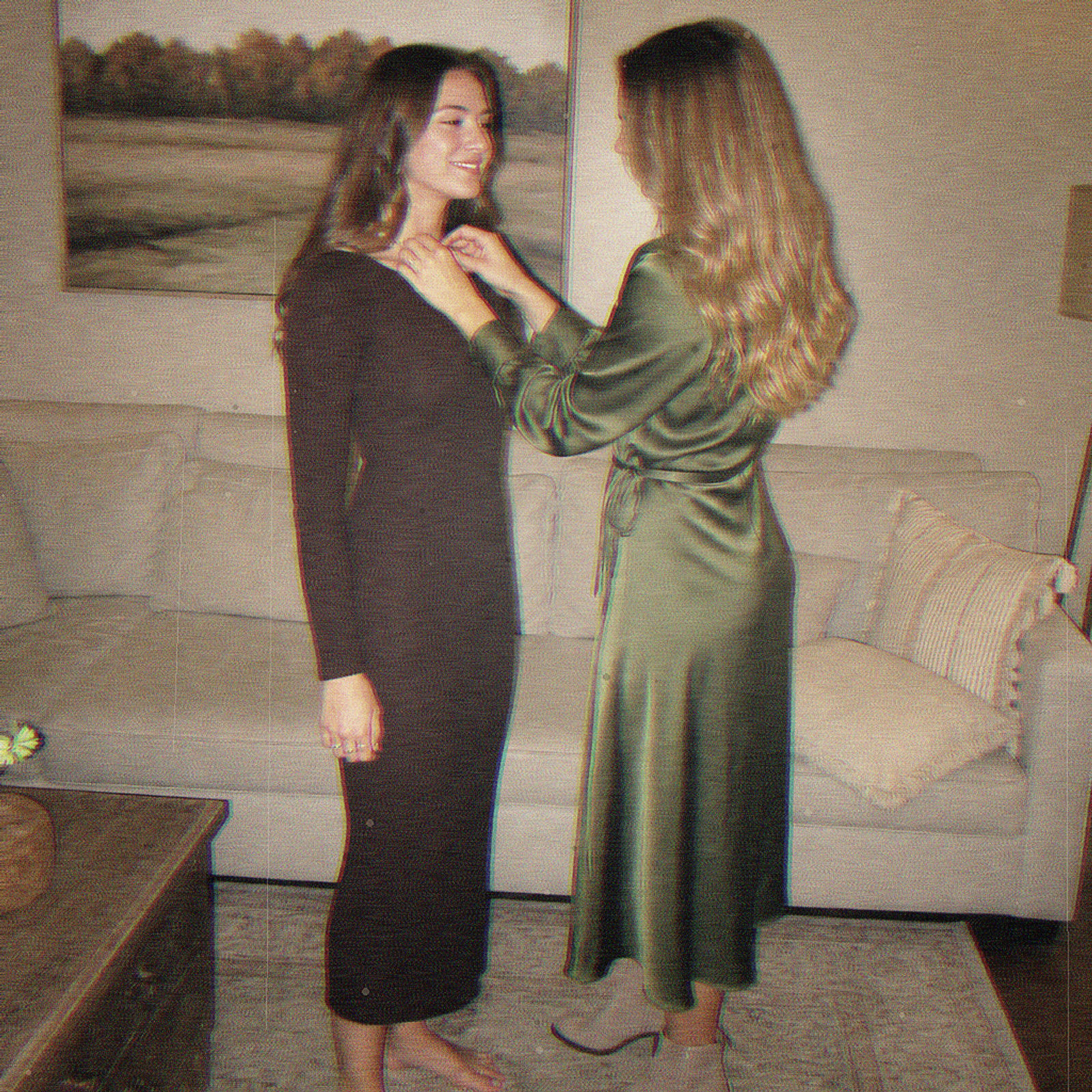
A silk tea gown from around 1900 had padding inside for warmth. Comfort was built in, right alongside the embroidery. For Thanksgiving, that’s an idea worth borrowing: clothes that feel special and still let you settle in for a long afternoon.
When staying home had its own dress
Tea gowns were a less formal, less structured way to dress for guests at home. That British silk gown, now at the Metropolitan Museum of Art, dates to 1898–1901. Staying in could warrant beautiful clothes with a little extra warmth tucked underneath.
One Jean-Philippe Worth tea gown from around 1893 has patterned silk velvet, a lace panel at the top, and enormous sleeves. The velvet hangs loosely over a fitted layer underneath. It belonged to a wealthy society family, so this wasn’t everyone’s version of getting comfortable at home.
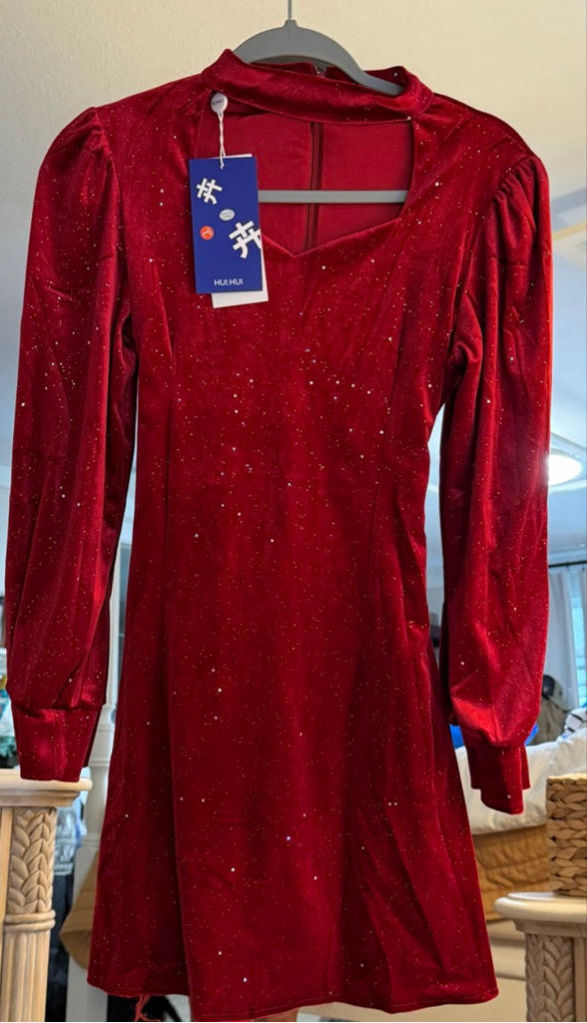
You don’t need the sweeping silhouette to borrow the idea. Try a simple burgundy velvet A-line mini. The fabric feels special without lots of extra detail.
Opaque tights and low-heeled boots keep the rest straightforward. If you prefer a longer dress, a softly draped wrap with a small autumn floral offers another way in. You can borrow the rich fabric and soft drape without copying the whole 1890s look.
Trousers belonged at the party, too
“Hostess pajamas” sounds like a very convenient interpretation of a dinner invitation. They were made for having people over.
One American silk set from 1930–32 had a loose V-neck blouse, an open jacket, and wide-leg trousers. It’s now at the Cincinnati Art Museum.
Women wore outfits like this for parties at home, resort stays, and beach trips. They helped make trousers more acceptable for women to wear in public, according to the museum. These clothes offered room to move while opening up a different way for women to get dressed.
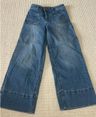
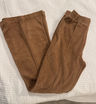
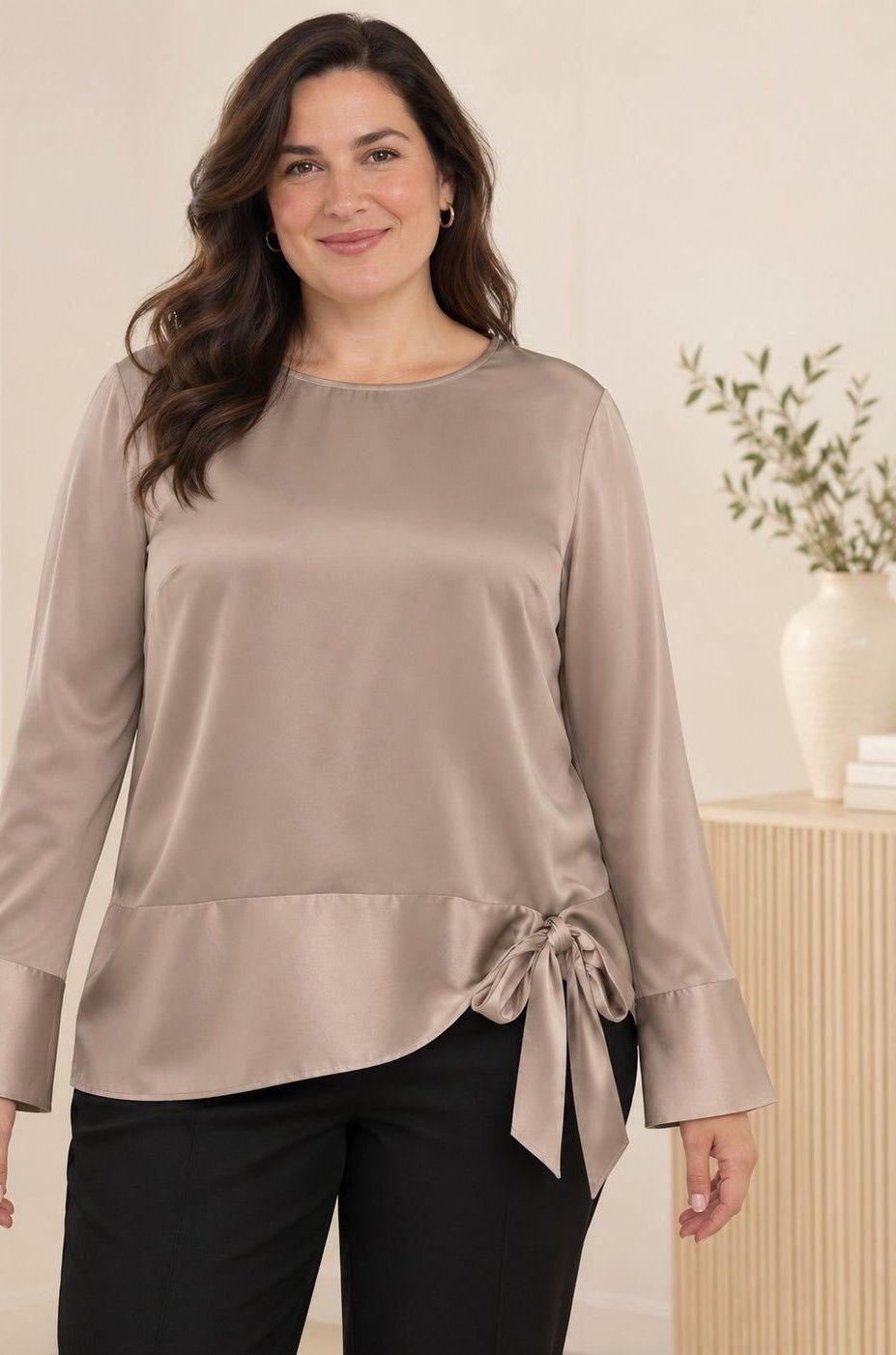
Borrow the ease, not the literal pajama set. Try a silky blouse with finished cuffs and relaxed trousers with room to move. A draped neckline looks softer than a crisp shirt collar.
Chocolate with cream or burgundy with black would be lovely here. The colors don’t have to match. A similar soft drape can tie the pieces together.
Soft knits have a dressy past
A sweater dress can be your first choice, not your backup plan.
Claire McCardell designed a wool-jersey evening dress in 1954. Her clothes were known for being simple, comfortable, and practical. That evening dress brought those qualities into something meant for dressing up.
Socialite Nan Kempner’s New York wardrobe included formal eveningwear. For travel, she liked Halston’s comfortable cashmere knits, according to the Met. Softness had a place in a wardrobe with plenty of dressy options.
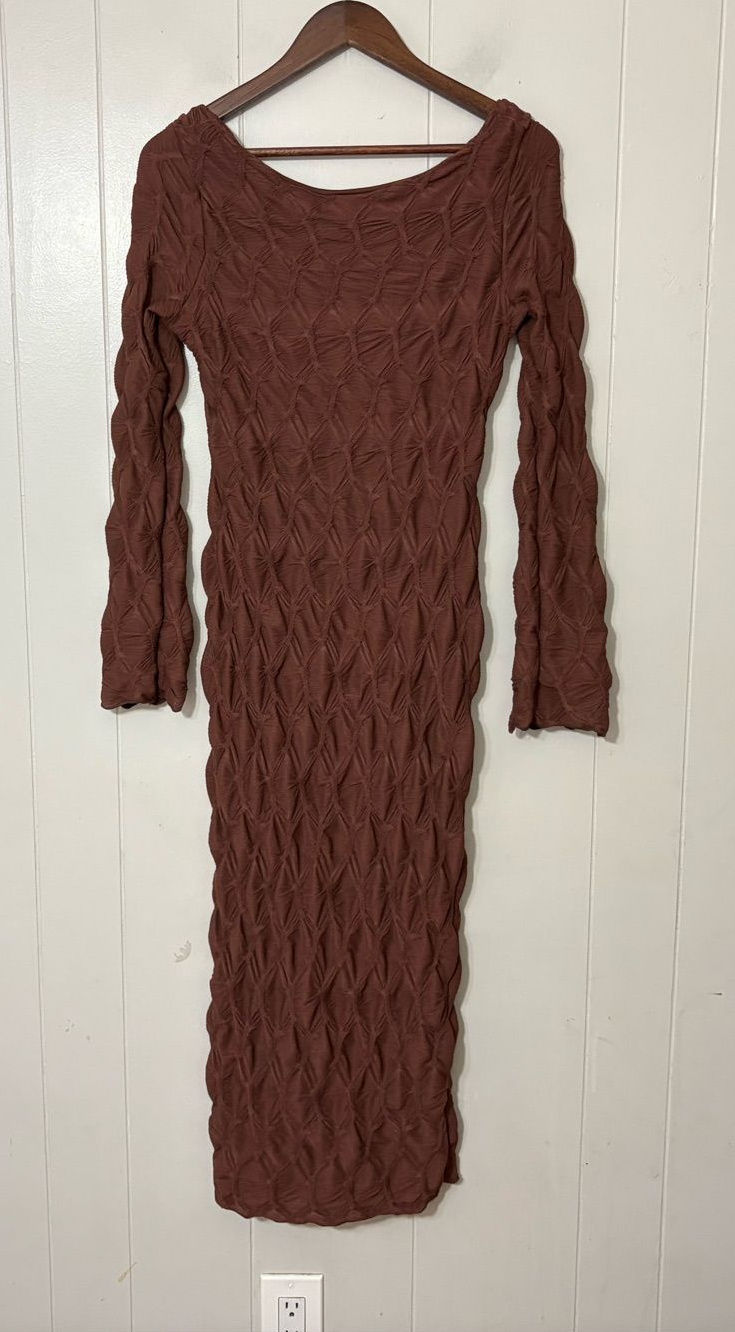
For a long dinner, try a body-skimming knit midi. A defined neckline and neatly finished hem can give it polish without much extra styling. If you prefer separates, a fine-knit wrap top works with relaxed trousers.
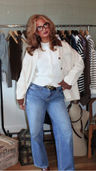
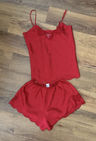
Knitwear can also be the piece that makes a dress feel right for an afternoon at home. A soft cream cardigan over satin gives you a cozy layer and a little shine. You might already own both pieces, even if you haven’t thought to wear them together.
You can look dressed up and still settle in for a long dinner. Start by checking your closet for a knit dress, silky blouse, or soft cardigan. If you’re missing a piece, explore Curtsy’s Dressy Thanksgiving collection for a secondhand find.