




 Help
 Get the free app
#MyCurtsyStyle
Friendsgiving Outfits You Can Actually Relax In
Pie’s on the menu, along with soft sweater dresses, satin midis, cozy cardigans, and low-heeled boots.
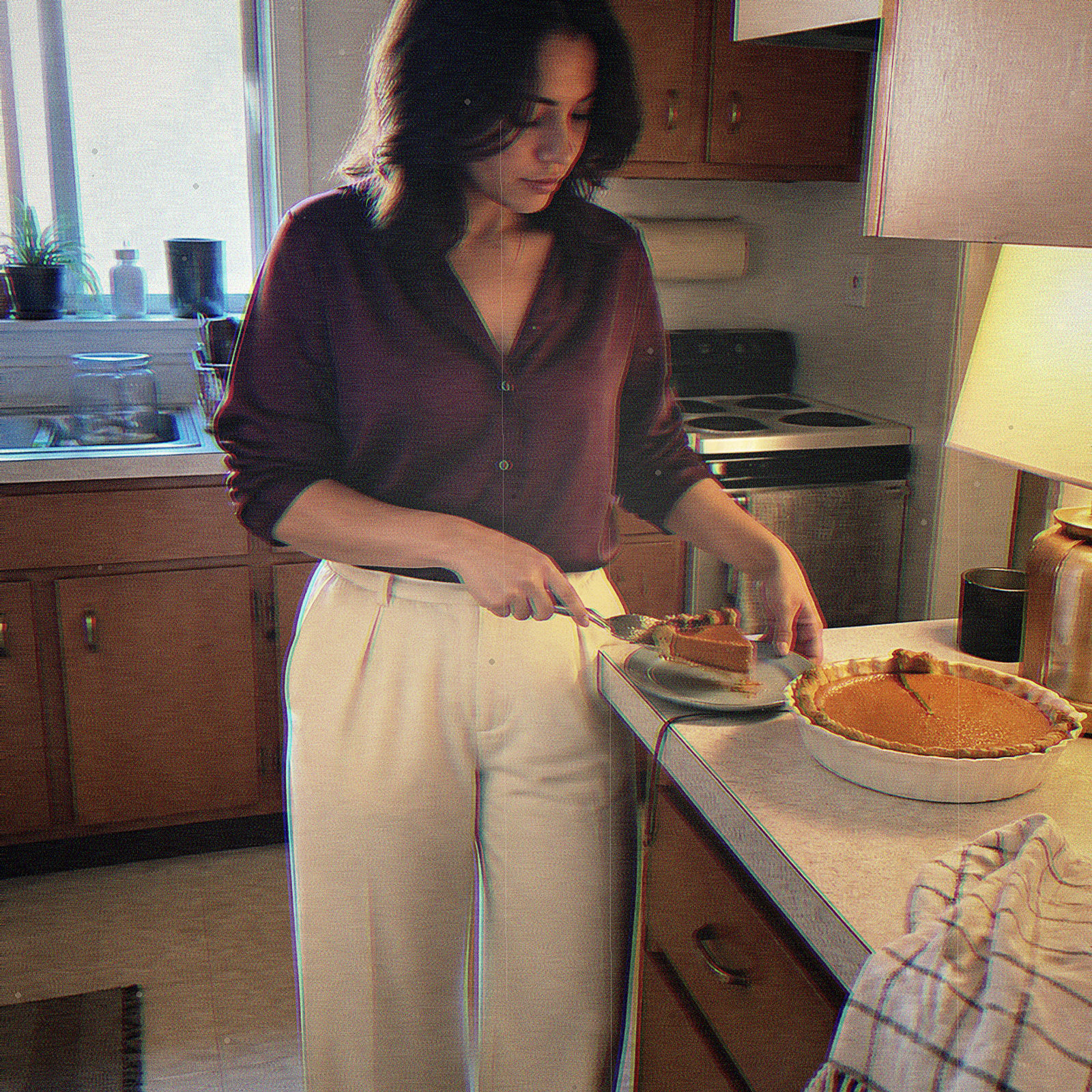
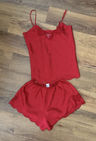
Pajamas for a formal dinner? In 1931, Vogue said yes at home—and for dinner elsewhere if you knew the hosts well. These were lounge pajamas for company, not bedtime, but the idea still works for Friendsgiving: dress up in something you can actually relax in.
Relaxed trousers belong at dinner, too
Wide legs and a matching sash gave those lounge pajamas a shape you might recognize in today’s jumpsuits. One version from around 1935, now in the ASU FIDM Museum, is a one-piece outfit with a sash made from the same fabric. There was room through the legs without losing the shape at the waist.
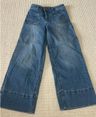
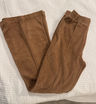
You don’t need literal pajamas to borrow that ease. Softly tailored trousers can look dressed up without a stiff waistband or rigid fabric. For a November dinner, try supple fine-wale cords or wide-leg trousers that fall in soft folds.
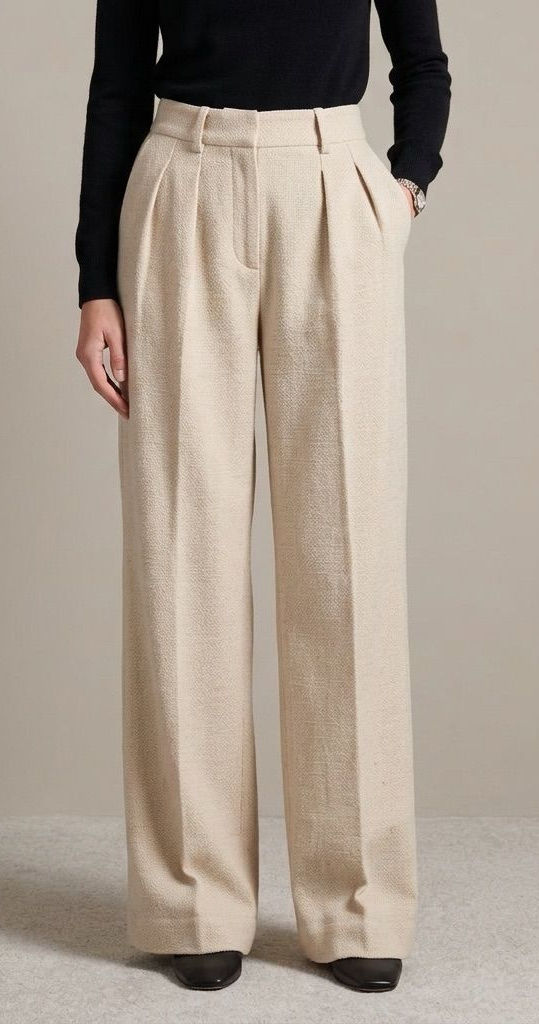
When you’re trying on a pair, look beyond the waistband. Is there room through the hip? Does the fabric fall easily? Can you sit comfortably?
An elastic waist is one option, but it can’t do the whole job.
Let a sweater dress do the dressing up
Jersey had largely been used for men’s underwear, sportswear, and stockings before Chanel made it a fashion signature. A 1916 silk-jersey blouse paired the soft knitted fabric with a sailor collar and turned-back cuffs. It looked finished without the stiff tailoring and boned bodices common in earlier fashions.
The blouse’s tie belt didn’t need to hold the wearer tightly in place. The fabric fell softly, and the belt left room to move.
For Friendsgiving, a sweater dress in a substantial knit gives you an outfit without much extra styling. Try a ribbed midi that skims the body or a cable-knit mini with an easy A-line shape.
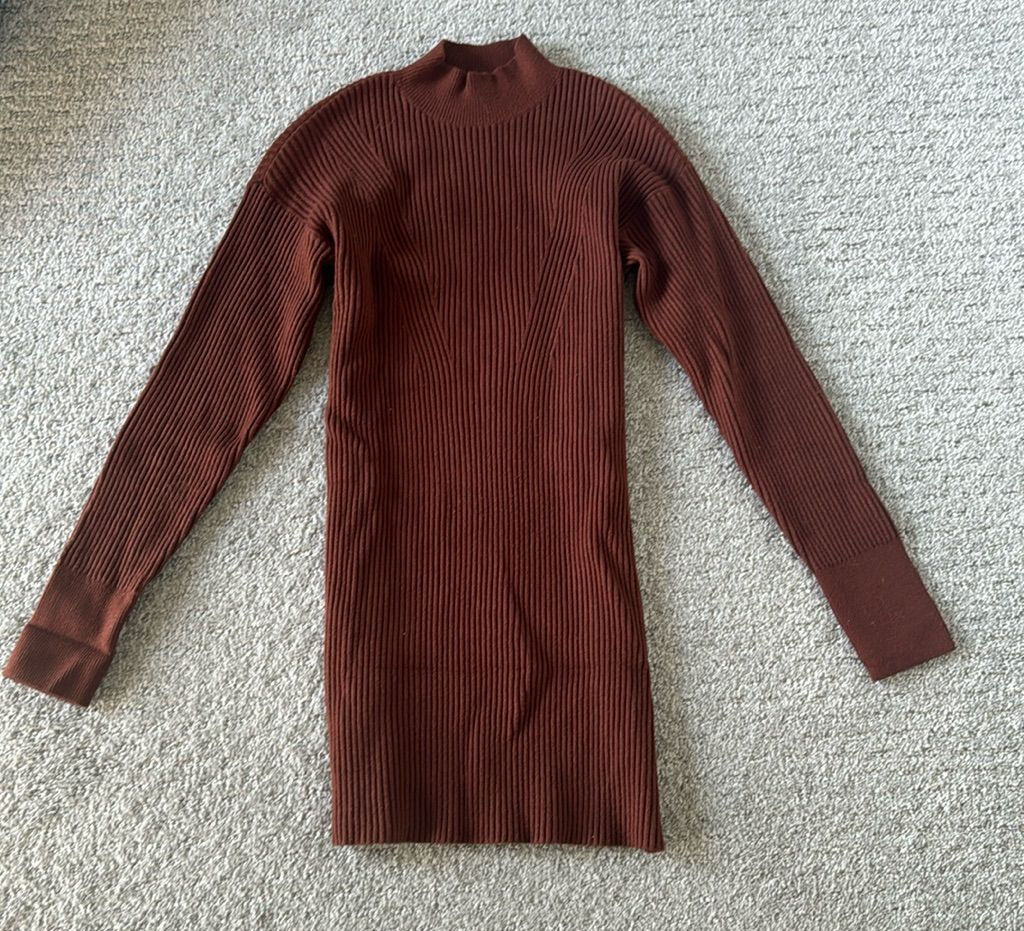
Comfortable doesn’t have to mean oversized. Choose the shape you feel good in, then add low-heeled boots if you want a little height. The knit can do the dressing up; you don’t need a stiff jacket to make it count.
Why a bias-cut skirt moves with you
A skirt’s swish can come from the cut, not just the fabric. Bias cutting means cutting woven fabric diagonally across its weave, at a 45-degree angle. Madeleine Vionnet worked with bias cuts in the 1920s, and the technique helped give 1930s dresses their soft, body-skimming shape.
That diagonal cut gives woven fabric more stretch and a softer drape. Vionnet used it for dresses that followed the body and moved with it instead of holding a stiff shape.
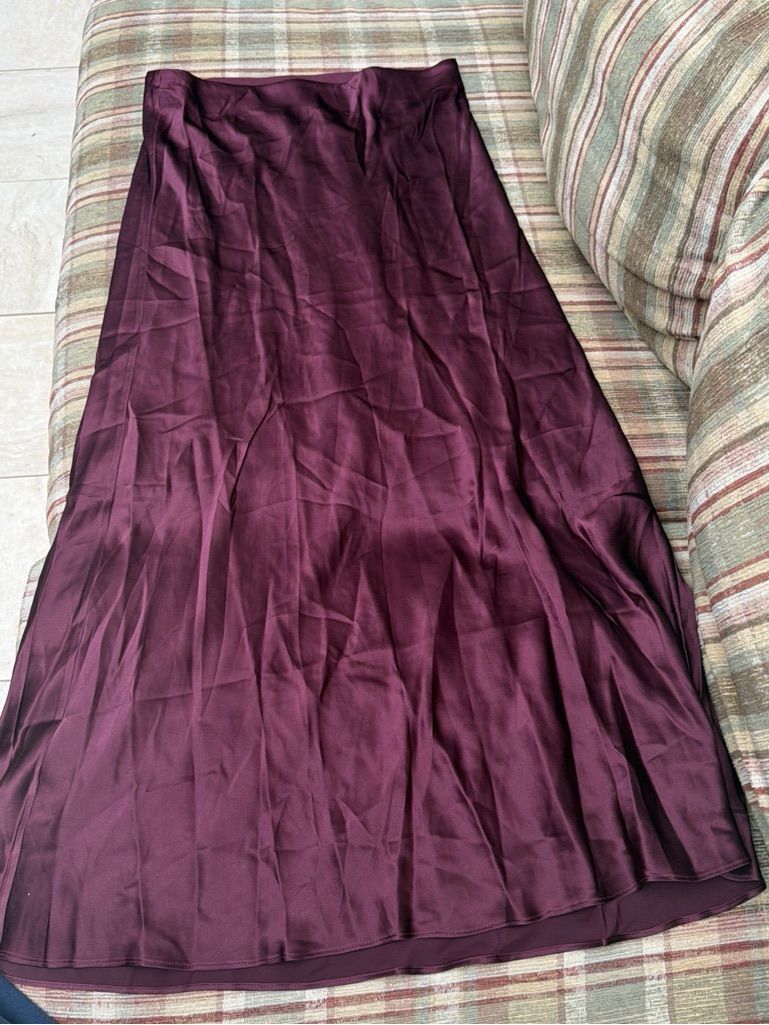
See “bias-cut” in a secondhand skirt listing? It’s a clue that the skirt may have that soft, swishy movement. Satin’s shine alone won’t tell you how the skirt was cut, so look for the construction detail if that’s the drape you’re after.
Try a satin midi with a cozy cardigan for Friendsgiving. The satin keeps it dressy, and the knit adds warmth and texture. Both pieces can feel relaxed without looking like loungewear.
A dress that lets you move
A woman with one hand in an oven mitt and the other in a roomy pocket still looks ready for company. She’s wearing Claire McCardell’s 1942 “Pop-over” dress in a photograph by Louise Dahl-Wolfe. It’s a good reminder that looking dressed doesn’t have to mean standing still.
Even if you’re not hosting, pockets and room to move can come in handy. For a long dinner, comfort might mean sleeves that stay put, a skirt you can sit in, or a wrap closure you can adjust where it feels right.
Try sitting down and reaching forward before deciding a dress is comfortable. Soft-looking isn’t always the same as easy to wear.
Start with something you already love. Looking for a piece to go with it? Search Curtsy for a soft sweater dress, satin midi, or relaxed trousers you’ll want to wear beyond one dinner.